

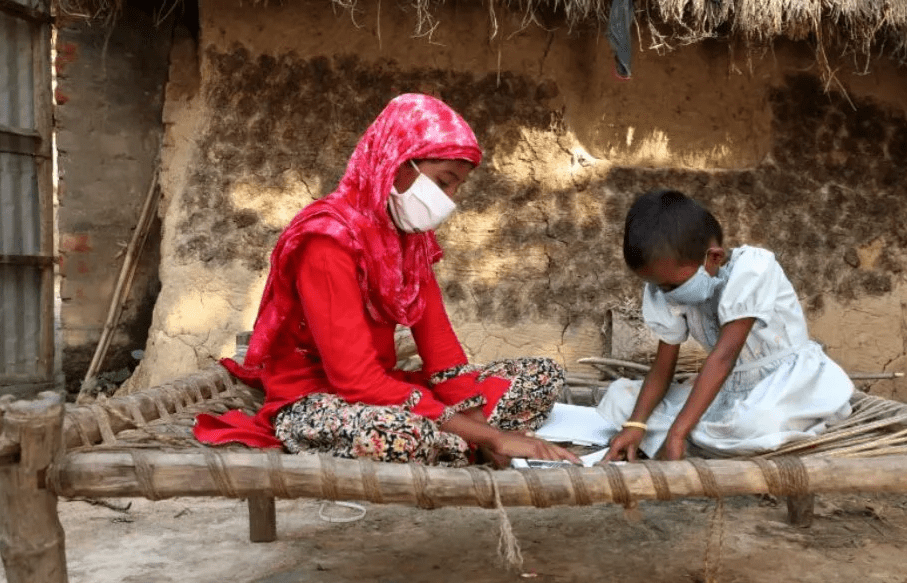
New Delhi: Despite significant progress in female literacy and education across India, several states continue to lag behind when it comes to ensuring girls complete their schooling. The latest findings from the National Family Health Survey (NFHS-6) 2023-24 highlight stark regional disparities in women’s educational attainment, revealing that millions of females still miss out on basic education.
According to the survey, the percentage of women with 10 or more years of schooling remains alarmingly low in some states. The data shows that Bihar ranks second from the bottom, with only about 44.2% of women completing at least 10 years of education. This means that more than half of the state’s female population continues to be deprived of secondary-level schooling.
Meghalaya Tops the List of Concern
The survey indicates that Meghalaya records the lowest proportion of women with 10 or more years of schooling, placing it at the bottom among states and Union Territories covered in the report. Bihar follows closely behind, underlining the educational challenges faced by women in these regions.
National Picture Shows Improvement
At the national level, the situation has improved considerably over the years. NFHS-6 reports that 62.1% of Indian women now have 10 or more years of schooling, reflecting growing access to education, government welfare schemes, and increased awareness regarding girls’ education. However, the gains remain uneven across states.
Experts believe that poverty, early marriage, inadequate school infrastructure, safety concerns, and social norms continue to be major barriers preventing girls from completing their education in several parts of the country.
Why Female Education Matters
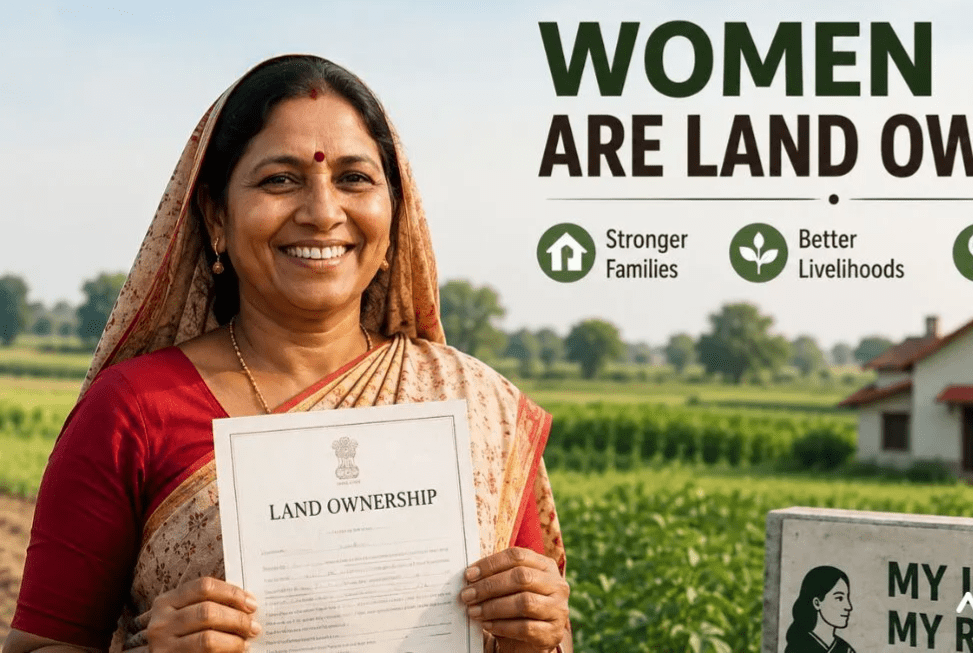
Education is closely linked to improved health outcomes, economic participation, financial independence, and lower rates of child marriage. The NFHS-6 findings also come at a time when India is witnessing notable improvements in several women’s empowerment indicators, including financial inclusion and healthcare access.
Policy analysts stress that targeted interventions in low-performing states are essential if India is to achieve inclusive educational growth and gender equality. Strengthening secondary schools, providing scholarships, improving transportation facilities, and reducing dropout rates among adolescent girls could help bridge the gap.
The Road Ahead
While India has made substantial progress in expanding educational opportunities for girls, the NFHS-6 data serves as a reminder that challenges remain. States such as Meghalaya and Bihar will require focused policy attention to ensure that every girl has the opportunity to complete her schooling and participate fully in the country’s development journey.
NFHS-6 data reveals that 26.3% of Indian females aged six and above have never attended school. Telangana records the highest percentage at 39.8%, while Kerala reports the lowest at 3.4%.NFHS-6 data reveals that 26.3% of Indian females aged six and above have never attended school. Telangana records the highest percentage at 39.8%, while Kerala reports the lowest at 3.4%.