

Iran and the US are establishing a vital hotline for the Strait of Hormuz to prevent maritime clashes. This move aims to safeguard critical energy routes as diplomatic negotiations continue throughout 2026.Iran and the US are establishing a vital hotline for the Strait of Hormuz to prevent maritime clashes. This move aims to safeguard critical energy routes as diplomatic negotiations continue throughout 2026.
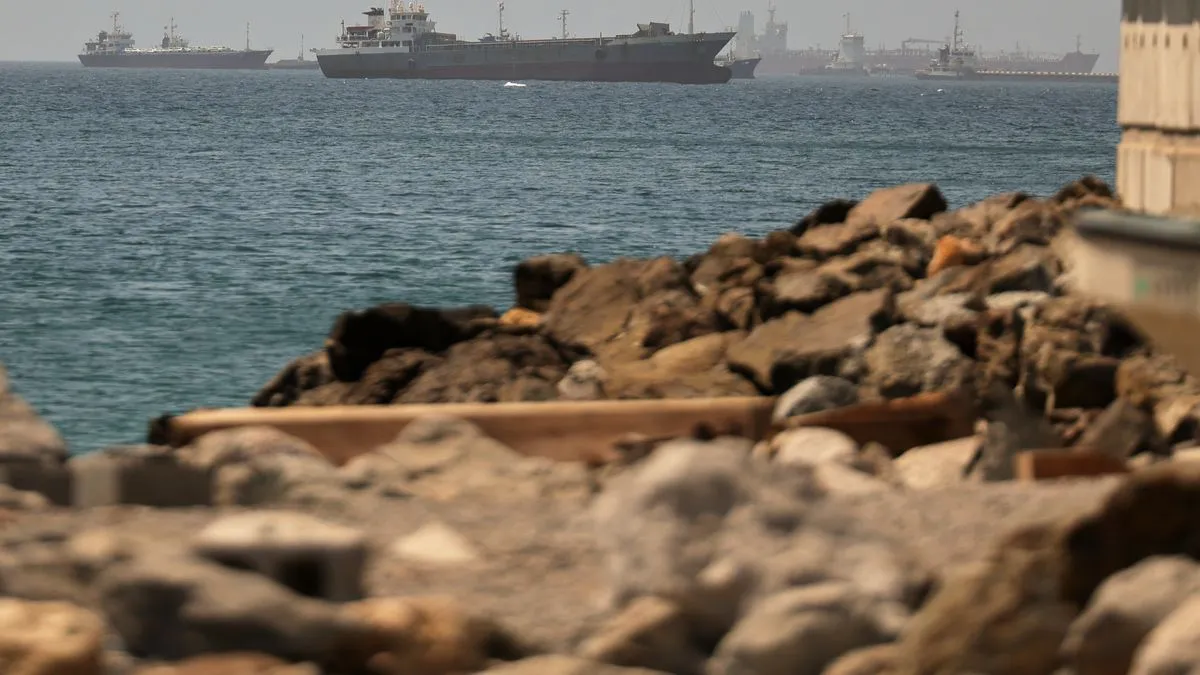
The Strait of Hormuz, the narrow waterway connecting the Persian Gulf to the Arabian Sea, remains one of the most strategically important maritime chokepoints on the planet. Nearly one-fifth of the world’s oil and a significant share of global liquefied natural gas (LNG) exports pass through this corridor, making any disruption a matter of international concern.
In a significant development, Iran has announced plans to establish a dedicated communication hotline for ships transiting the Strait of Hormuz. The initiative is aimed at preventing misunderstandings, reducing navigational risks, and avoiding military incidents in the highly sensitive waterway. According to Iranian officials, the hotline will serve as a direct channel between maritime operators and Iranian authorities to ensure safe passage through the region.
Why the Move Matters
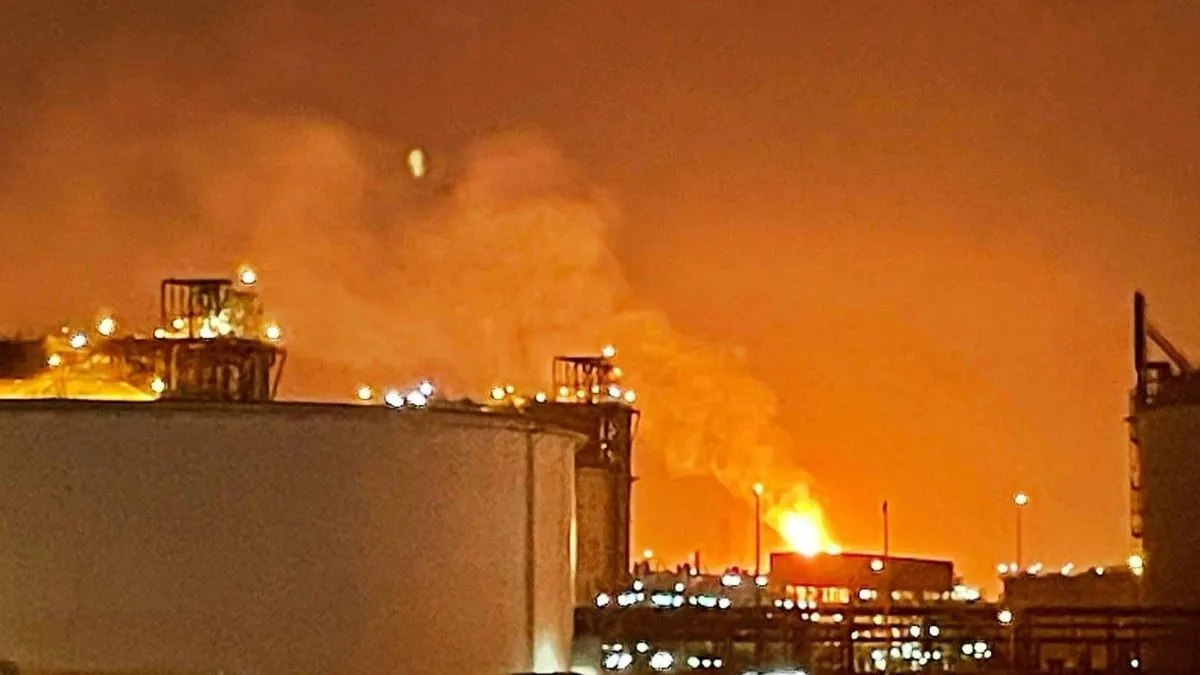
The announcement comes after months of heightened tensions and disruptions in the Strait of Hormuz. Since early 2026, the region has witnessed military confrontations, shipping restrictions, insurance disputes, and concerns over vessel safety. The crisis significantly reduced commercial traffic and contributed to volatility in global energy markets.
Shipping companies, insurers, and governments worldwide have closely monitored developments because even a temporary disruption in the strait can trigger sharp increases in oil prices and affect energy supplies across Asia, Europe, and beyond.
How the Hotline Could Work
While detailed operational guidelines have not yet been released, the proposed hotline is expected to function as a real-time communication mechanism for vessels navigating the strait. Ship operators may be able to report transit plans, receive navigation updates, and quickly resolve potential misunderstandings before they escalate into security incidents.
Maritime experts note that direct communication channels are commonly used in sensitive regions to prevent accidental confrontations. Similar systems have been employed between rival military forces in other conflict-prone areas around the world.
Part of a Broader Strategy
The hotline proposal appears to be part of Iran’s broader effort to strengthen its role in managing traffic through the Strait of Hormuz. Recent reports indicate that Tehran has explored new regulatory measures, including maritime fees, insurance requirements, and enhanced oversight mechanisms for vessels operating in the region.
Supporters argue that these measures could improve safety and create clearer procedures for commercial shipping. Critics, however, fear that additional regulations could increase costs and complicate international trade, particularly if they conflict with existing sanctions or international maritime norms.
Global Energy Markets Watching Closely
The significance of the Strait of Hormuz cannot be overstated. According to energy analysts, the route handles roughly 20 million barrels of oil per day and remains indispensable for major exporters such as Saudi Arabia, Iraq, the United Arab Emirates, Kuwait, Qatar, and Iran. Alternative routes exist but cannot fully replace the strait’s capacity.
As a result, any measure that improves stability and reduces the risk of conflict is likely to be welcomed by energy markets. Following recent agreements aimed at reopening and stabilizing the strait, analysts expect oil flows to gradually recover, although a full return to normal operations may take time.
Looking Ahead
Iran’s proposed Strait of Hormuz hotline represents a pragmatic attempt to reduce tensions in one of the world’s most critical maritime corridors. Whether the initiative succeeds will depend on cooperation from international shipping companies, regional governments, and global powers with interests in the Gulf.
For now, the announcement signals a shift toward communication and risk management rather than confrontation—an approach that could help safeguard the uninterrupted flow of energy supplies upon which the global economy depends.