

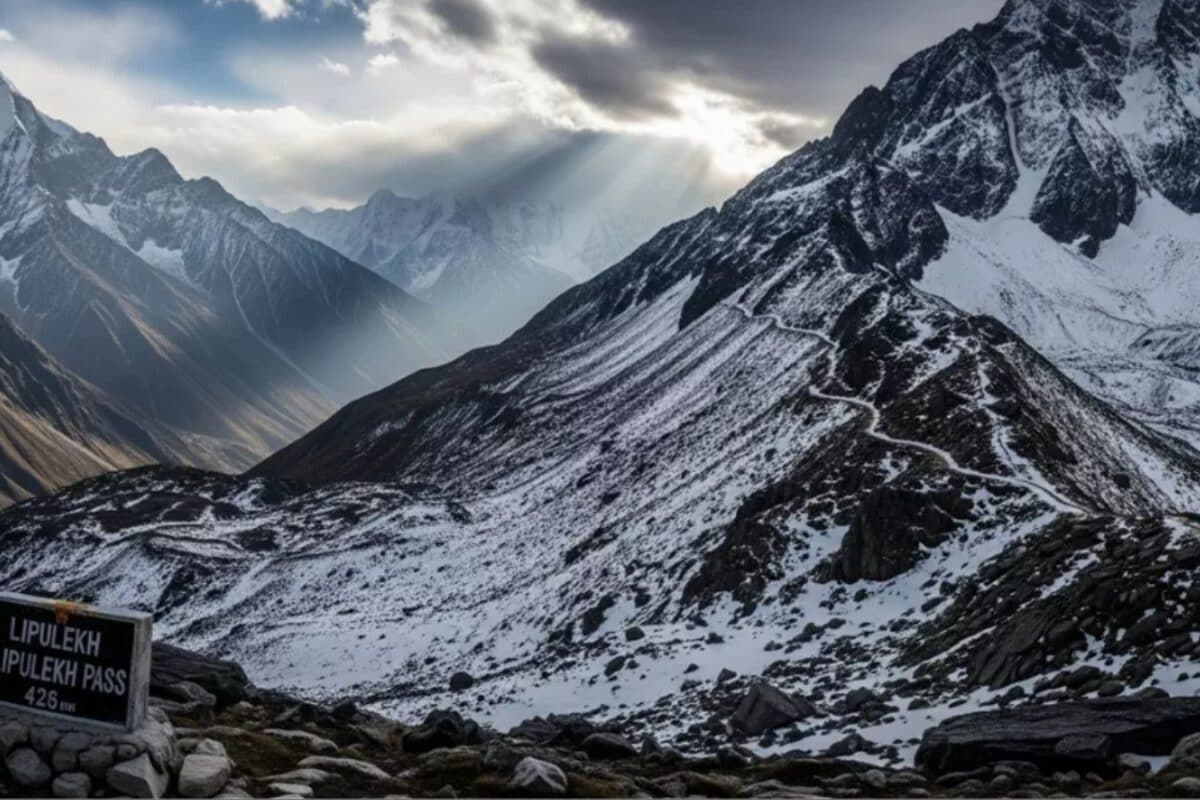
After a six-year silence in the high Himalayas, the historic India-Tibet border trade through the Lipulekh Pass has reopened once again. The revival marks a significant moment for traders and border communities in Uttarakhand’s Pithoragarh district, where generations once depended on the seasonal exchange of goods across the rugged mountain frontier.
Yet, even as trade resumes, one powerful symbol of the old trans-Himalayan economy is missing — the long caravans of horses, mules, and traders that once defined the route.
A Historic Route Reopens
The Lipulekh Pass, located at over 17,000 feet near the India-Nepal-China tri-junction, has historically served as one of the oldest trade corridors between India and Tibet. Before modern borders and geopolitical tensions reshaped the region, traders from Kumaon crossed the pass carrying textiles, jaggery, grains, spices, and utensils, returning with wool, salt, borax, and other Tibetan goods.
The trade route had remained suspended since 2020 amid the COVID-19 pandemic and rising India-China tensions following the Galwan Valley clash. Its reopening now signals a cautious thaw in limited border interactions, even as larger diplomatic issues remain unresolved.
Local traders and residents welcomed the move, calling it an important economic and cultural revival for the Himalayan border villages.
The Missing Caravans
But the reopening has also highlighted how much the old trading culture has changed.
For centuries, caravans of sheep, yaks, ponies, and mules moved slowly through the steep Himalayan terrain, creating a vibrant seasonal economy. Entire communities participated in the journeys, and border trade was as much a cultural exchange as an economic activity.
Today, those scenes have nearly vanished.
Road connectivity, changing livelihoods, migration from mountain villages, and modern transportation have transformed the trade system. Younger generations are less inclined to continue the physically demanding caravan tradition, while stricter border regulations and formalized trade procedures have reduced the role of traditional traders.
Instead of large caravans winding through the mountains, trade now involves smaller, regulated consignments and limited participants.
Economic Hope For Border Villages
Despite the changes, the reopening offers hope to remote Himalayan settlements that have struggled with economic decline and migration.
Villages in the Darma, Vyans, and Chaudans valleys once thrived on cross-border commerce. Many locals believe renewed trade activity could generate employment opportunities, revive tourism, and bring attention back to border infrastructure development.
The reopening also comes alongside renewed interest in the Kailash Mansarovar Yatra route through Lipulekh, which has historically connected pilgrims to Tibet.
Officials say the government is continuing efforts to improve roads, logistics, and communication infrastructure in the border region to support both trade and strategic connectivity.
Trade In A New Era
While the romantic image of Himalayan caravans may belong largely to history, the reopening of Lipulekh remains symbolically important.
It reflects not only the resilience of border communities but also India’s broader strategic and economic interest in maintaining traditional Himalayan links.
For older traders who remember the days of weeks-long journeys through snow-covered passes, the silence of the missing caravans is deeply emotional. But many also see the revival as a chance for the region to adapt and survive in a changing geopolitical and economic landscape.
The mountains may no longer echo with the bells of mule caravans, but after six years, trade at Lipulekh has finally begun moving again.