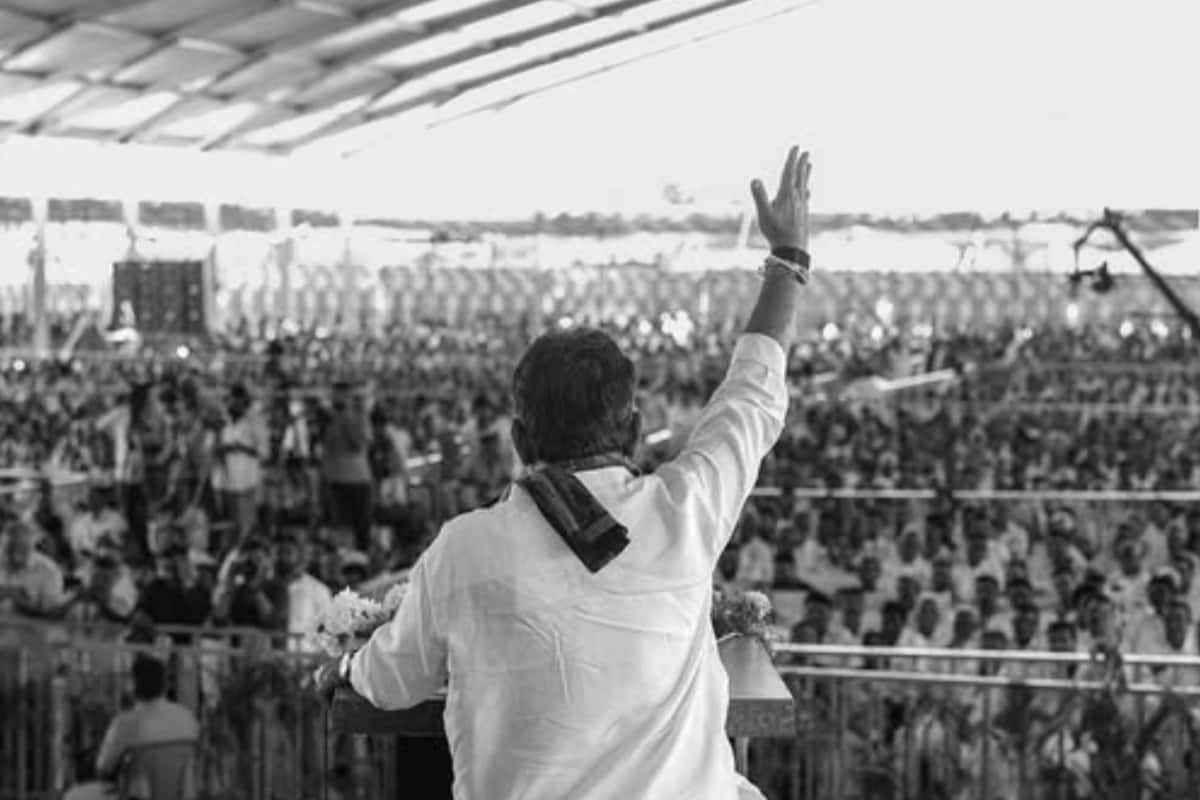


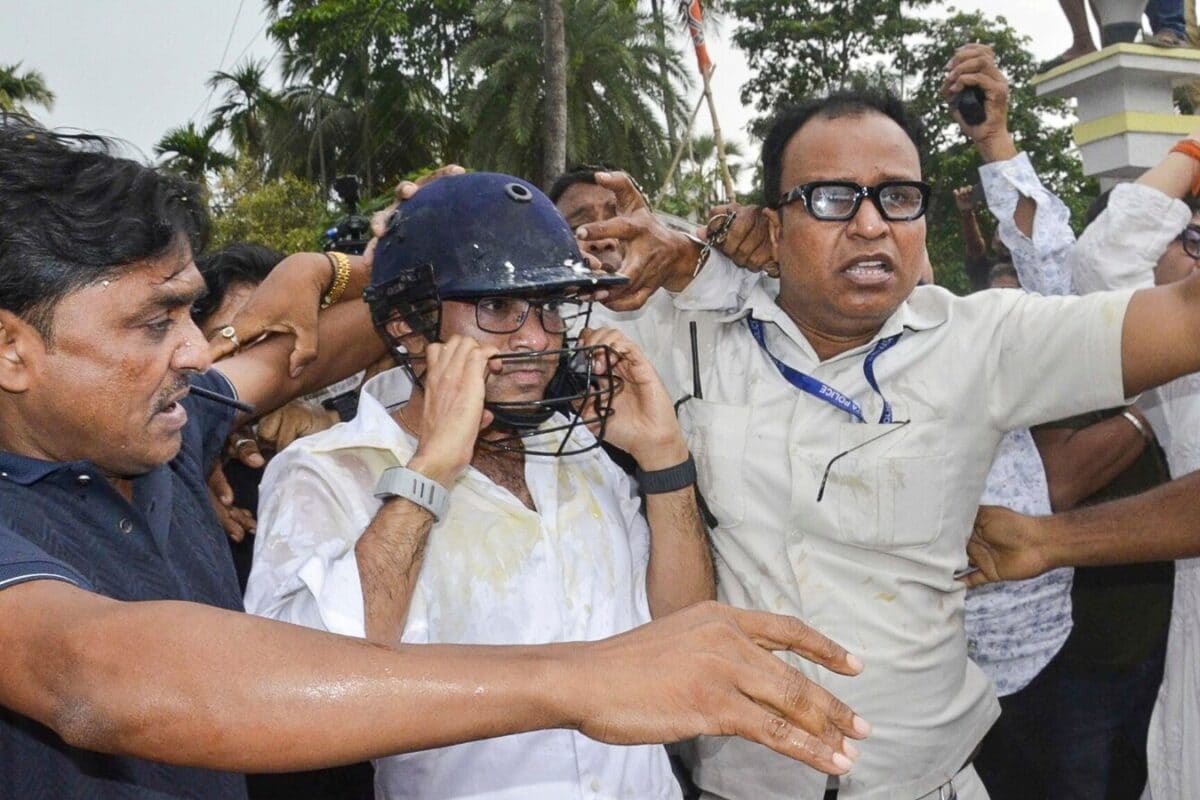
For over a decade, West Bengal Chief Minister Mamata Banerjee built one of India’s most formidable grassroots political machines. The Trinamool Congress (TMC) wasn’t just a party — it was a street-level force powered by loyal cadres who controlled local narratives, mobilised voters, and defended the party in every district.
But increasingly, cracks are beginning to show.
While the Bharatiya Janata Party (BJP) continues to remain the principal opposition in Bengal, Mamata Banerjee’s more immediate and perhaps more dangerous challenge may be coming from within her own ecosystem: a shrinking, fragmented, and demoralised cadre base.
The Cadre Fatigue Problem
After years in power, political fatigue is becoming visible across sections of the TMC’s organisational structure. Many local workers privately complain of reduced influence, growing factionalism, and concentration of power among select leaders and politically connected groups.
Unlike in 2011, when the TMC represented rebellion and change against the Left Front’s 34-year rule, the party today faces the burden of incumbency. Anti-incumbency no longer comes only from opposition voters — it is also emerging from within the organisation itself.
Ground-level workers who once aggressively defended the party now appear less motivated in several regions. Local reports of internal rivalries, rebellion over ticket distribution, and resentment against “outsider” leadership choices have surfaced repeatedly in district politics.
BJP’s Growth Was Built On TMC’s Weakness
The BJP’s rise in Bengal was not simply because of ideological expansion. It was also fuelled by the migration of disgruntled TMC leaders and cadres.
From booth-level workers to influential regional organisers, several former TMC faces crossed over to the BJP during politically turbulent years. Even where these leaders later returned to the TMC fold, the episode exposed a deeper vulnerability: loyalty in Bengal politics is increasingly transactional.
In many districts, the BJP managed to create a competitive structure not entirely through its own organisational strength, but by absorbing fragments of the TMC’s own machinery.
The Abhishek Factor
The emergence of Abhishek Banerjee as a powerful face within the TMC has brought both energy and unease inside the party.
Supporters view him as a modern strategist capable of preparing the TMC for a post-Mamata era. Critics within the party, however, quietly fear centralisation and the sidelining of older district leaders who built the organisation during its formative years.
This transition phase has created a subtle generational tension. The old guard wants respect and relevance; the new leadership wants discipline and restructuring.
Managing this balance may become one of Mamata Banerjee’s toughest political tests.
Rural Disconnect Is Becoming Riskier
The TMC’s political dominance has traditionally rested on rural Bengal. Welfare schemes, direct outreach, and hyper-local leadership helped the party create a deep emotional connection with voters.
But rural dissatisfaction linked to corruption allegations, local power monopolies, and cut-money accusations has periodically damaged the party’s image. Even when Mamata Banerjee personally retains popularity, anger against local leaders often weakens the organisational chain beneath her.
That distinction matters.
In Indian politics, charismatic leadership can win headlines — but elections are often won by booth workers, local coordinators, and motivated cadres who ensure turnout and narrative control on polling day.
Can Mamata Rebuild The Machine?
Despite these warning signs, writing off Mamata Banerjee would be politically premature. Few leaders in India possess her instinct for survival, emotional connect with voters, and ability to rapidly regain political momentum.
However, the challenge before her is no longer just electoral.
It is organisational.
The BJP can be fought politically. Anti-incumbency can be managed strategically. But rebuilding trust among disillusioned workers and reviving a once-feared grassroots structure requires something more difficult: internal renewal.
And that may ultimately decide the future of the TMC in Bengal.