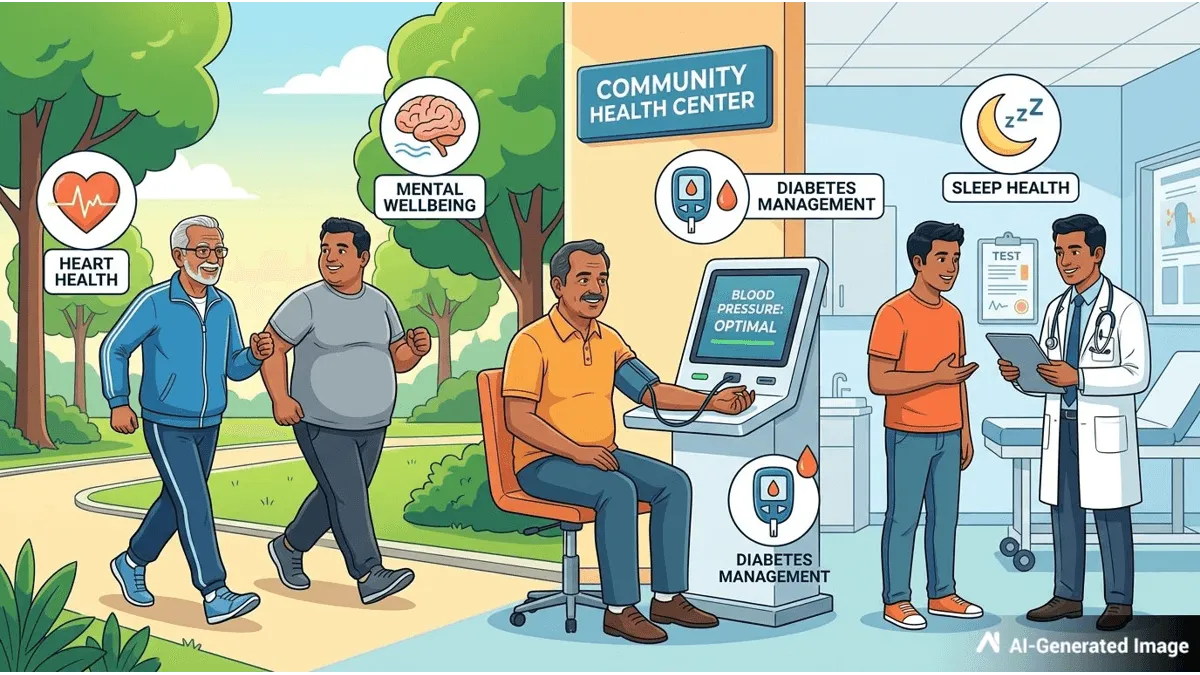


Heart disease remains one of the leading causes of death among men worldwide. While genetics and age play a role, many heart-related conditions can be prevented or managed through healthy lifestyle choices. From maintaining a balanced diet to staying physically active, adopting heart-friendly habits can significantly reduce the risk of cardiovascular disease.
Why Men Should Prioritize Heart Health
Men are generally at a higher risk of developing heart disease earlier than women. Factors such as high blood pressure, elevated cholesterol levels, diabetes, obesity, smoking, excessive alcohol consumption, and chronic stress contribute to this increased risk.
Recognizing these risks early and taking preventive action can improve long-term health and quality of life.
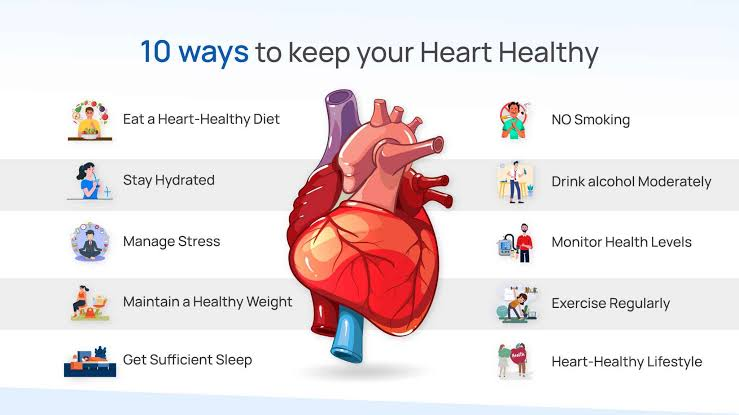
1. Eat a Heart-Healthy Diet
Your daily food choices have a direct impact on heart health. Focus on a balanced diet that includes:
- Fresh fruits and vegetables
- Whole grains like oats, brown rice, and whole wheat
- Lean proteins such as fish, chicken, beans, and lentils
- Healthy fats from nuts, seeds, olive oil, and avocados
Reduce the intake of:
- Processed foods
- Fried and fast foods
- Sugary drinks
- Excess salt
- Foods high in saturated and trans fats
2. Stay Physically Active
Regular exercise strengthens the heart, improves blood circulation, and helps maintain a healthy weight.
Aim for:
- At least 150 minutes of moderate aerobic exercise each week
- Or 75 minutes of vigorous exercise
- Strength training at least two days a week
Simple activities like brisk walking, cycling, swimming, jogging, or dancing can make a significant difference.
3. Maintain a Healthy Weight
Being overweight increases the risk of:
- High blood pressure
- Type 2 diabetes
- High cholesterol
- Heart disease
Even losing 5–10% of your body weight can improve heart health if you are overweight.
4. Monitor Blood Pressure Regularly
High blood pressure is often called the “silent killer” because it usually has no symptoms.
Adults should check their blood pressure regularly, especially after the age of 40 or earlier if they have risk factors. Following medical advice and taking prescribed medications when necessary can help keep blood pressure under control.
5. Keep Cholesterol Levels in Check
High LDL (“bad”) cholesterol can lead to plaque buildup inside arteries, increasing the risk of heart attack and stroke.
Regular cholesterol screening, combined with healthy eating, exercise, and medication when prescribed, can help maintain healthy cholesterol levels.
6. Quit Smoking
Smoking damages blood vessels, reduces oxygen supply, and significantly raises the risk of heart disease.
The benefits of quitting begin almost immediately:
- Heart rate starts improving within hours.
- Blood circulation improves within weeks.
- Long-term heart disease risk continues to decline over time.
If quitting is difficult, seek professional support or smoking cessation programs.
7. Limit Alcohol Consumption
Excessive alcohol intake can contribute to:
- High blood pressure
- Irregular heartbeat
- Weight gain
- Heart failure
If you drink alcohol, do so in moderation according to your healthcare provider’s advice.
8. Manage Stress Effectively
Long-term stress can negatively affect heart health by increasing blood pressure and encouraging unhealthy habits such as overeating or smoking.
Healthy stress-management techniques include:
- Meditation
- Deep breathing exercises
- Yoga
- Spending time outdoors
- Talking with friends or family
- Pursuing hobbies
9. Get Enough Sleep
Poor sleep is associated with obesity, diabetes, high blood pressure, and heart disease.
Adults should aim for 7–9 hours of quality sleep each night. If you snore loudly or feel excessively tired during the day, consult a healthcare professional to rule out sleep disorders such as sleep apnea.
10. Schedule Regular Health Checkups
Routine health screenings can detect problems before they become serious.
Important tests include:
- Blood pressure
- Blood sugar
- Cholesterol levels
- Body mass index (BMI)
- Kidney function (when recommended)
Men with a family history of heart disease should discuss earlier screening with their doctor.
Know the Warning Signs of a Heart Attack
Seek emergency medical attention immediately if you experience:
- Chest pain, pressure, or tightness
- Pain spreading to the arm, shoulder, neck, jaw, or back
- Shortness of breath
- Cold sweat
- Nausea or vomiting
- Sudden dizziness or fainting
Prompt treatment can save lives.
Final Thoughts
Protecting your heart doesn’t require drastic changes overnight. Small, consistent improvements in diet, exercise, sleep, and stress management can greatly reduce the risk of heart disease. Regular medical checkups and early detection of risk factors are equally important.
Making heart health a priority today can help men enjoy a healthier, more active life for years to come.
Disclaimer: This article is for informational purposes only and should not be considered medical advice. Consult a qualified healthcare professional for personalized guidance regarding heart health or any medical condition.