


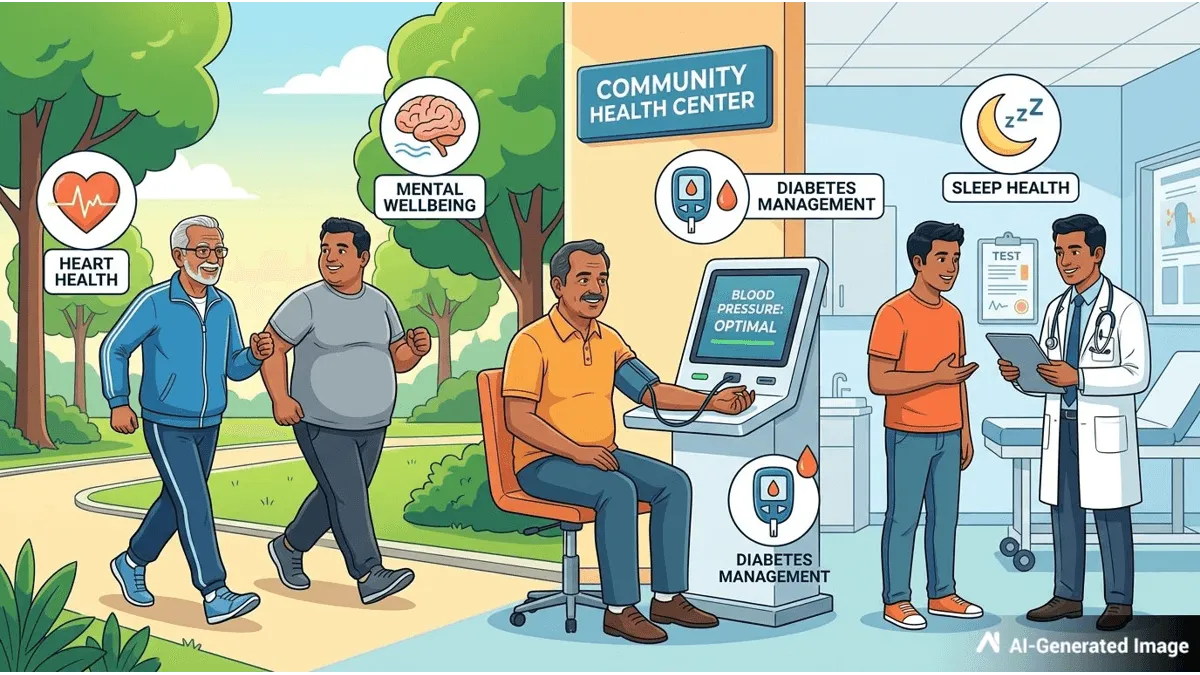
Men often prioritize work, family responsibilities, and daily commitments over their own health. As a result, many health conditions go undetected until they become serious. Understanding the most common health issues affecting men and recognizing their early warning signs can help prevent complications and improve long-term well-being.
1. Heart Disease
Heart disease remains one of the leading causes of death among men worldwide. Risk factors include high blood pressure, high cholesterol, smoking, obesity, diabetes, and a sedentary lifestyle.
Early Signs
- Chest pain or discomfort
- Shortness of breath
- Fatigue during routine activities
- Irregular heartbeat
- Dizziness or lightheadedness
Regular blood pressure and cholesterol checks can help detect problems before they become life-threatening.
2. Type 2 Diabetes
Type 2 diabetes develops when the body becomes resistant to insulin or does not produce enough of it. Men who are overweight or have a family history of diabetes face a higher risk.
Early Signs
- Increased thirst
- Frequent urination
- Unexplained weight loss
- Blurred vision
- Slow-healing wounds
- Constant fatigue
Early diagnosis can help prevent serious complications such as kidney disease, nerve damage, and heart problems.
3. Prostate Problems
The prostate gland tends to enlarge with age, and men are also at risk of prostate cancer.
Early Signs
- Frequent urination, especially at night
- Difficulty starting or stopping urination
- Weak urine flow
- Blood in urine
- Pelvic discomfort
Men over 50 should discuss prostate screening with their healthcare provider.
4. Mental Health Disorders
Depression, anxiety, and stress-related disorders are often underdiagnosed in men because symptoms may be overlooked or ignored.
Early Signs
- Persistent sadness
- Irritability or anger
- Loss of interest in activities
- Sleep disturbances
- Difficulty concentrating
- Social withdrawal
Seeking support early can significantly improve mental health outcomes.
5. Lung Diseases
Smoking remains a major risk factor for chronic obstructive pulmonary disease (COPD), lung cancer, and other respiratory conditions.
Early Signs
- Persistent cough
- Wheezing
- Shortness of breath
- Chest tightness
- Frequent respiratory infections
Quitting smoking is one of the most effective ways to reduce lung disease risk.
6. Liver Disease
Excessive alcohol consumption, obesity, and viral infections can damage the liver over time.
Early Signs
- Fatigue
- Nausea
- Loss of appetite
- Yellowing of the skin or eyes (jaundice)
- Abdominal swelling
Routine health check-ups can identify liver problems before they become severe.
7. Colorectal Cancer
The risk of colorectal cancer increases with age, especially after 45.
Early Signs
- Blood in stool
- Changes in bowel habits
- Persistent abdominal pain
- Unexplained weight loss
- Chronic fatigue
Screening tests can detect colorectal cancer in its earliest and most treatable stages.
8. Obesity
Obesity is linked to heart disease, diabetes, joint problems, sleep apnea, and certain cancers.
Early Signs
- Rapid weight gain
- Shortness of breath
- Joint pain
- Low energy levels
- Sleep disturbances
Maintaining a balanced diet and regular exercise routine can help manage weight effectively.
How Men Can Protect Their Health
- Schedule regular medical check-ups.
- Maintain a healthy weight.
- Exercise for at least 150 minutes per week.
- Eat a balanced diet rich in fruits and vegetables.
- Avoid smoking and limit alcohol intake.
- Get adequate sleep.
- Manage stress through relaxation techniques and social support.
Conclusion
Many serious health conditions develop gradually and may show subtle warning signs in the early stages. Paying attention to symptoms, adopting a healthy lifestyle, and seeking medical advice when concerns arise can significantly improve quality of life and reduce the risk of major health complications. Prevention and early detection remain the best tools for maintaining long-term health.