

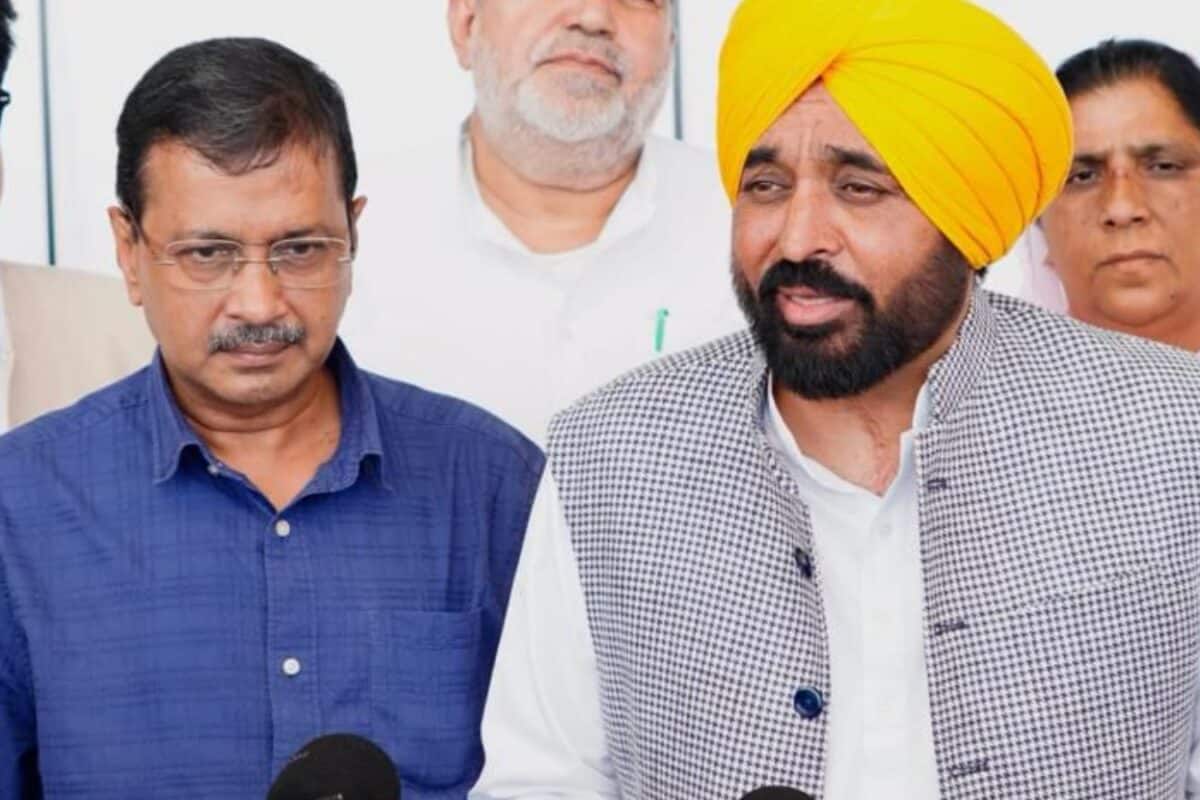
The Aam Aadmi Party’s (AAP) emphatic victory in the Punjab civic body elections has reinforced Chief Minister Bhagwant Mann’s dominance in the state’s political landscape. But while the results have provided a major morale boost to the party, political observers believe the bigger and more difficult test still lies ahead — the 2027 Punjab Assembly elections.
AAP delivered a commanding performance across municipal corporations, municipal councils, and nagar panchayats, emerging as the clear frontrunner in urban Punjab. The results were widely interpreted as a strong endorsement of the Bhagwant Mann-led government and its governance model over the past four years.
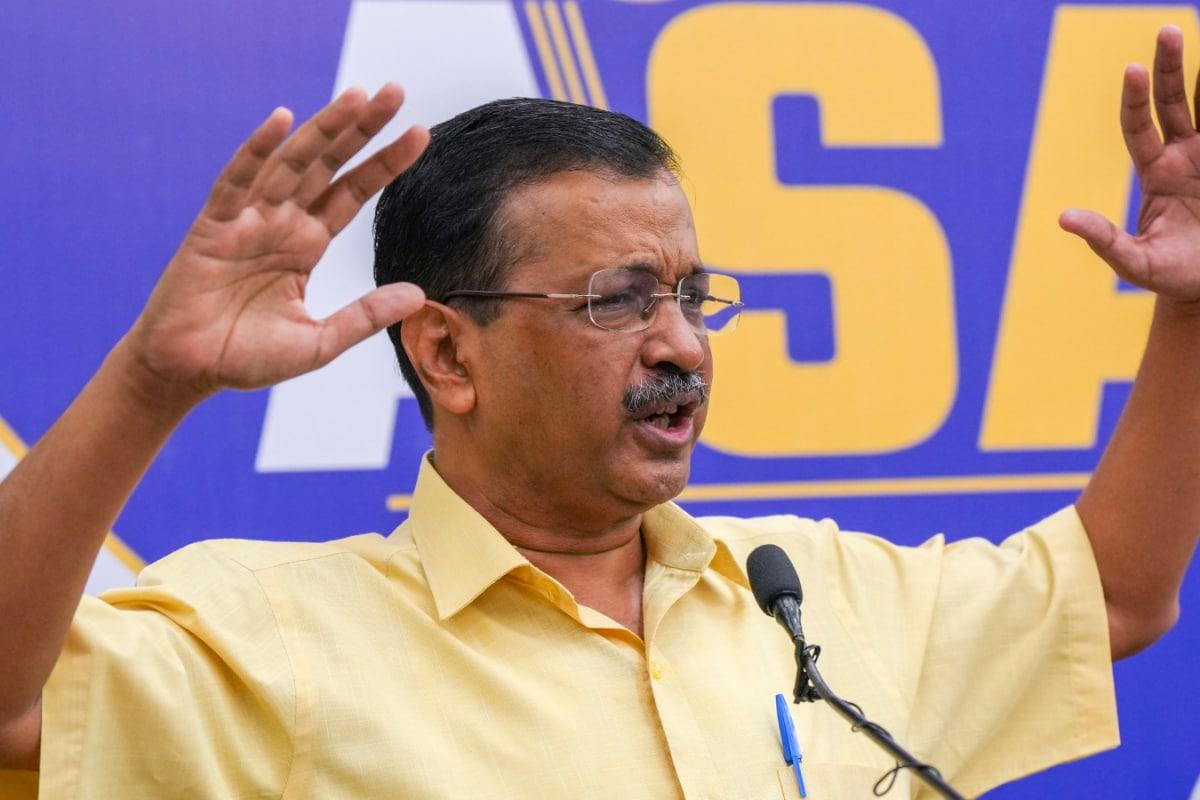
Party leaders celebrated the outcome as proof that AAP continues to enjoy significant public support despite political attacks from opposition parties and ongoing national-level controversies surrounding some of its leaders. AAP national convenor Arvind Kejriwal even described the BJP as the “ED party” while attacking the Centre over alleged misuse of investigative agencies.
Why Bhagwant Mann Is Being Called The ‘Mann Of The Match’
Political analysts believe Bhagwant Mann played a central role in AAP’s civic poll success. Since becoming Chief Minister in 2022, Mann has remained the party’s most visible face in Punjab and has focused heavily on welfare delivery, anti-corruption messaging, education, healthcare, and infrastructure development.
Unlike earlier elections where Arvind Kejriwal dominated campaign narratives, this time AAP’s Punjab campaign was largely centered around Mann’s leadership and regional connect. His image as a local Punjabi leader with strong grassroots appeal helped AAP consolidate support in both rural and urban areas.
Several welfare initiatives and governance reforms introduced by the state government — including free electricity schemes, anti-drug campaigns, improved government school infrastructure, and recruitment drives — also contributed to AAP’s positive electoral performance.
Why 2027 Will Be Far More Difficult
Despite the civic poll sweep, experts caution that municipal elections and Assembly elections are vastly different political battles.
Local body elections often revolve around regional leadership, civic issues, and organisational strength at the grassroots level. Assembly elections, however, are influenced by broader concerns such as unemployment, law and order, farm distress, fiscal management, industrial growth, and anti-incumbency.
By 2027, the Bhagwant Mann government will have completed a full five-year term, meaning voter expectations will be significantly higher. The opposition is expected to aggressively target the government over employment generation, drug-related concerns, financial stress, and implementation gaps in welfare promises.
Another major challenge for AAP could be managing anti-incumbency sentiment, something that has historically played a decisive role in Punjab politics. The state has often witnessed strong swings against ruling governments after a full term.
Congress, BJP & Akali Dal Still In The Race
Although the Congress, BJP, and Shiromani Akali Dal (SAD) performed below expectations in the civic polls, political analysts believe writing them off entirely would be premature.
The Congress still retains a sizable vote base in several rural belts, while the BJP has been attempting to expand its urban footprint following the weakening of its alliance with SAD. Meanwhile, the Akali Dal continues to maintain influence in sections of Punjab’s traditional rural and panthic politics.
Opposition parties are expected to use the next two years to rebuild organisationally and sharpen attacks against the Mann government.
AAP’s National Stakes Also Linked To Punjab
Punjab remains AAP’s only full-fledged state government after setbacks in Delhi politics and mixed performances in other states. This makes the 2027 Punjab election politically crucial not just for Bhagwant Mann, but also for Arvind Kejriwal and the party’s long-term national ambitions.
A victory in 2027 would help AAP strengthen its claim as a serious national alternative. A defeat, however, could significantly weaken the party’s expansion narrative beyond Delhi and Punjab.
For now, the civic poll results have firmly established Bhagwant Mann as the dominant political face in Punjab. But the real examination of his leadership — and AAP’s governance model — will come in the far more demanding electoral battlefield of 2027.