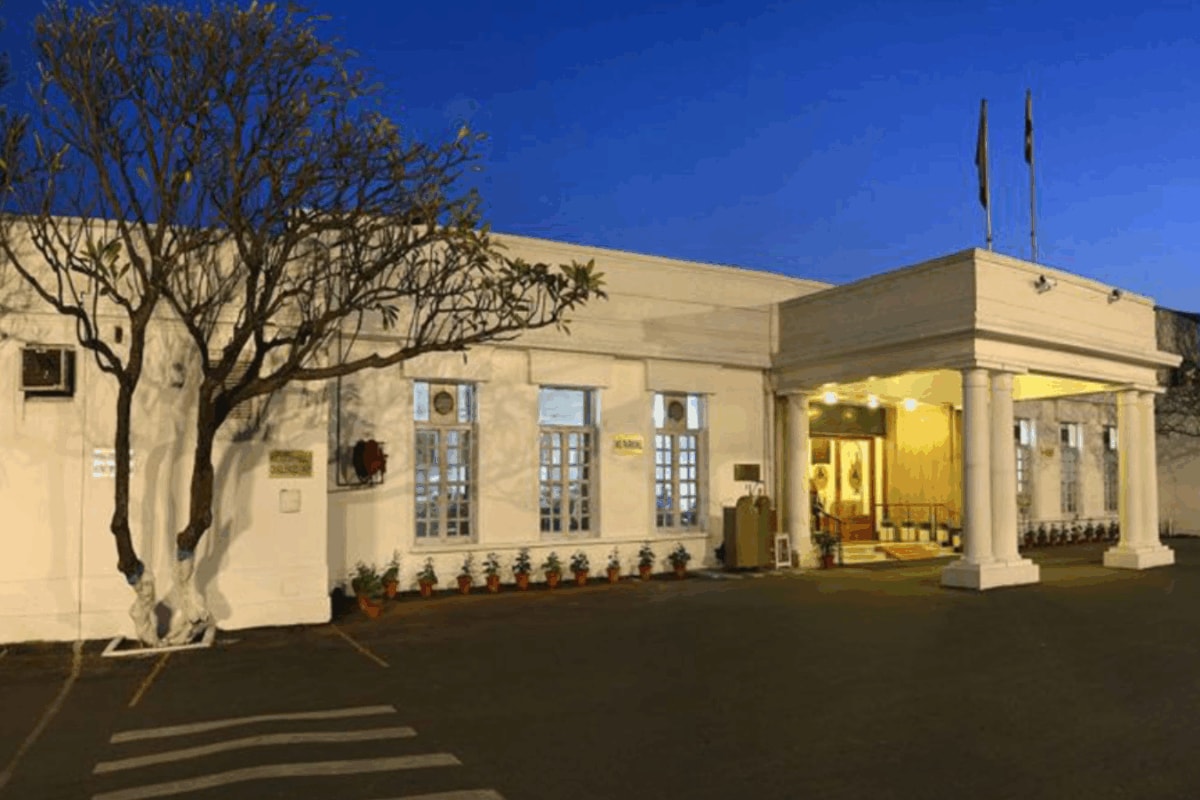



The ongoing controversy surrounding the iconic Delhi Gymkhana Club has once again turned the spotlight on India’s elite club culture — a world of inherited privilege, sky-high membership fees, colonial-era rules, and exclusive access that continues to shape some of the country’s most influential social circles.
As the Centre moves against the prestigious Delhi institution over land and governance issues, attention has shifted toward Mumbai’s elite clubs, many of which operate on prime public land while maintaining deeply exclusive membership systems.
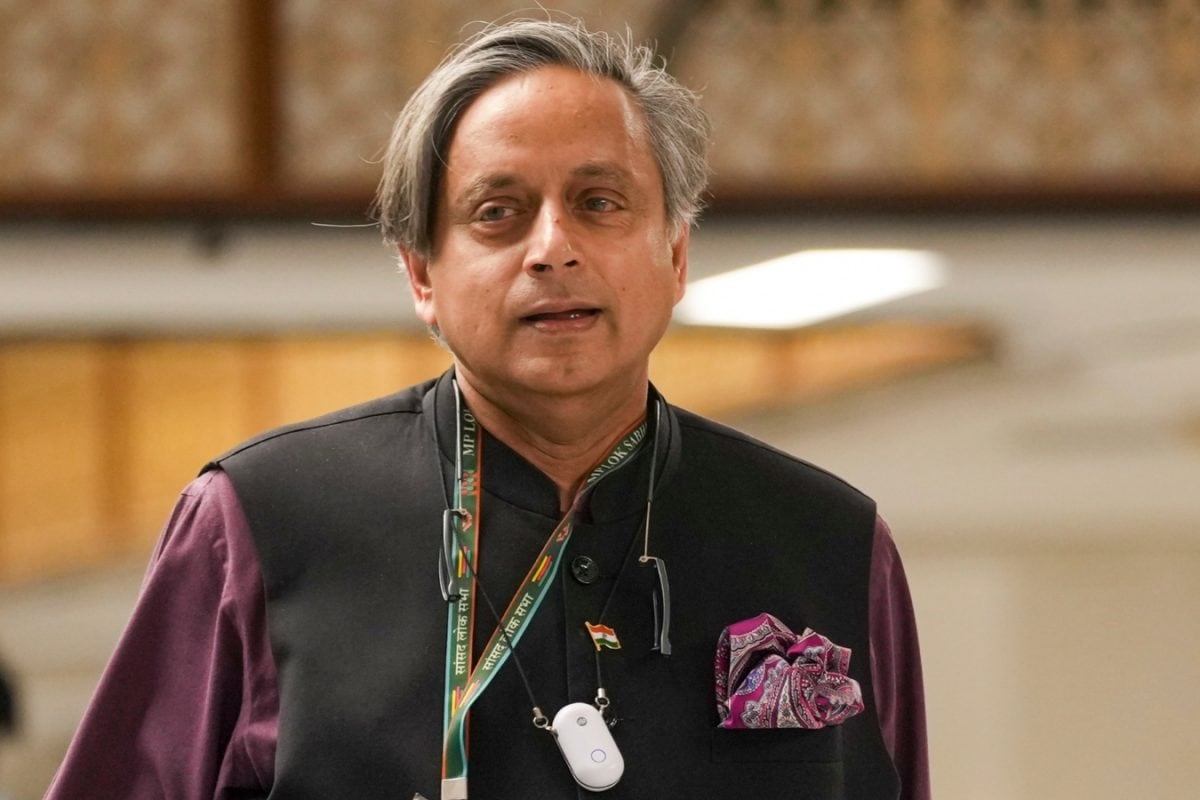
Among the most talked-about names is the legendary Breach Candy Club — a colonial-era institution that once famously turned away a young Shashi Tharoor simply because he was Indian.
The Incident That Still Haunts Mumbai’s Elite Club Culture
In his writings and public remarks, Shashi Tharoor has recalled how he was “thrown out” of Breach Candy Club in the 1960s while accompanying an American friend. At the time, the club largely operated as a whites-only institution despite India having gained Independence decades earlier.
While ordinary membership was eventually opened to Indians under public pressure, the governance structure reportedly continued to preserve extraordinary powers for “European” trust members. Even today, legal disputes surrounding the club’s constitution continue to fuel accusations that colonial-era exclusivity survives in modern India.
Memberships That Cost A Fortune
Mumbai’s elite clubs are not merely recreational spaces — they are symbols of social capital and status.
Membership fees at some of the city’s most exclusive clubs reportedly range from several lakhs to well over ₹1 crore depending on the category, waiting period, and transfer structure. Breach Candy Club alone reportedly has membership costs exceeding ₹1.2 crore alongside waiting lists that stretch beyond a decade.
Other prominent institutions include:
- Bombay Gymkhana
- Parsee Gymkhana
- Islam Gymkhana
- Catholic Gymkhana
- PJ Hindu Gymkhana
Many of these institutions were established during British rule and continue to command enormous prestige among business families, bureaucrats, diplomats, industrialists, celebrities, and political elites.
Why The Row Has Returned To Centre Stage
The debate intensified after the Union government reportedly ordered Delhi Gymkhana Club to vacate its premises, citing public and defence-related purposes. The development triggered wider scrutiny over whether elite clubs operating on government land are complying with lease conditions and public obligations.
Following the Delhi controversy, Maharashtra authorities reportedly began examining gymkhanas in Mumbai functioning on public land, including questions related to lease renewals, rent structures, and land usage.
Officials indicated that nearly ten prominent gymkhanas in Mumbai stand on government-owned land. Some leases are alleged to have expired years ago, while disputes over rent revisions and redevelopment continue in courts.
Colonial Legacy Or Modern Privilege?
Critics argue that many of these institutions embody a lingering culture of exclusivity inherited from colonial India. Long waiting lists, nomination systems, restrictive entry norms, and family-based access have often made memberships inaccessible to ordinary citizens.
Supporters, however, defend the clubs as historic private institutions that preserve sporting culture, social traditions, and community networks.
The larger debate now extends beyond luxury recreation. Questions are increasingly being asked about:
- Public land usage
- Tax benefits and lease terms
- Transparency in memberships
- Governance structures
- Social exclusivity
India’s New Elite Club Economy
Interestingly, the scrutiny comes at a time when India is witnessing a boom in modern private members-only clubs catering to wealthy entrepreneurs, creators, startup founders, and professionals. New-age luxury clubs in cities like Mumbai, Delhi, Bengaluru, and Gurugram are rapidly expanding as India’s affluent class grows.
Yet the old Gymkhana culture still carries unmatched prestige.
And as the row over Delhi Gymkhana Club grows, Mumbai’s iconic elite clubs — once seen as untouchable symbols of privilege — are increasingly finding themselves under public and political scrutiny.