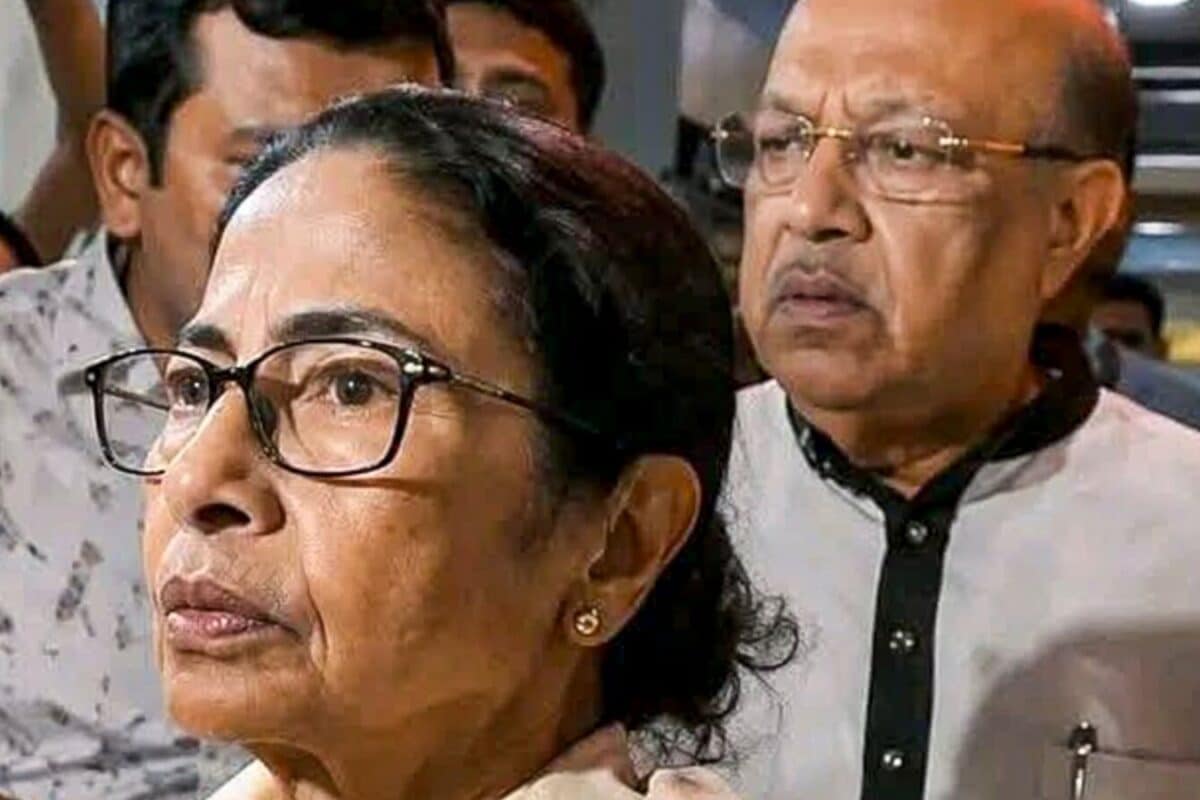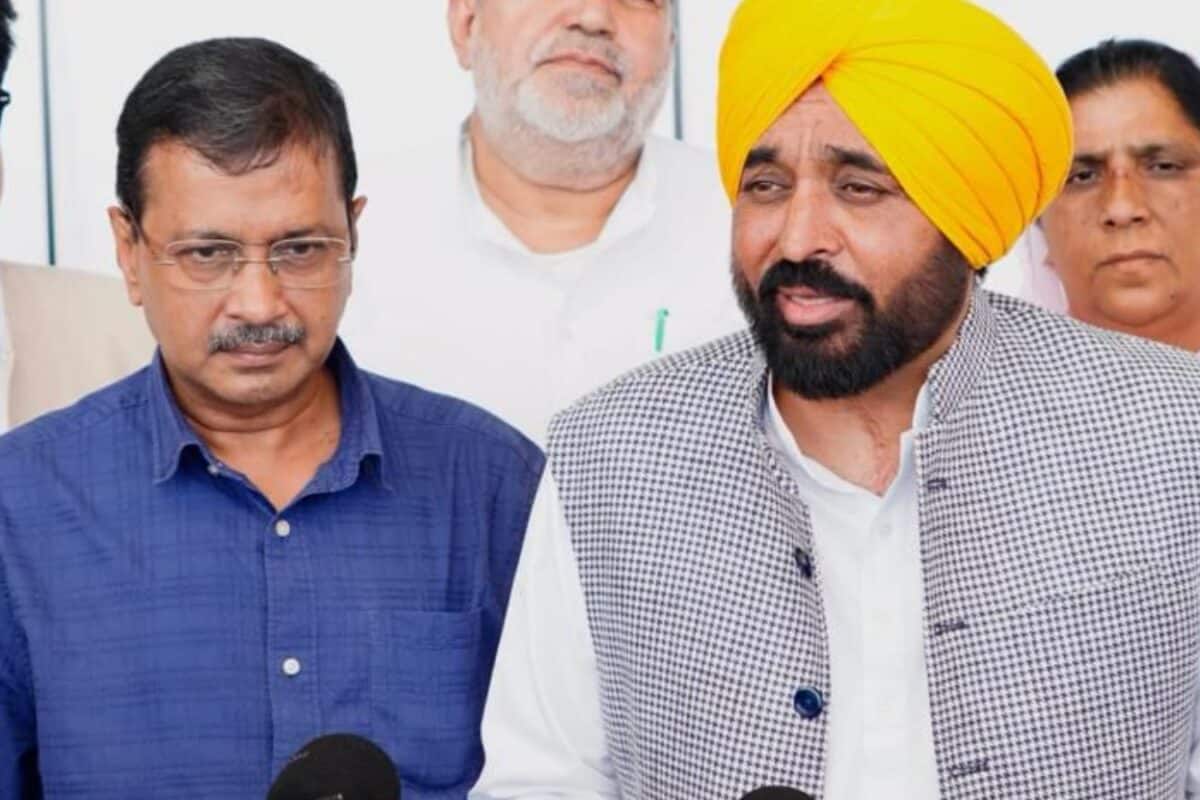


A fresh political flashpoint in West Bengal may be reshaping the dynamics of India’s opposition politics. After Trinamool Congress (TMC) national general secretary Abhishek Banerjee was allegedly attacked during a visit to Sonarpur, several leaders from the INDIA bloc publicly condemned the incident, sparking renewed discussion over whether Mamata Banerjee is attempting to rebuild opposition unity ahead of crucial national political battles.
The incident comes at a sensitive moment for the opposition alliance, which has faced internal tensions, leadership questions, and electoral setbacks over the past year.
What Happened In Sonarpur?
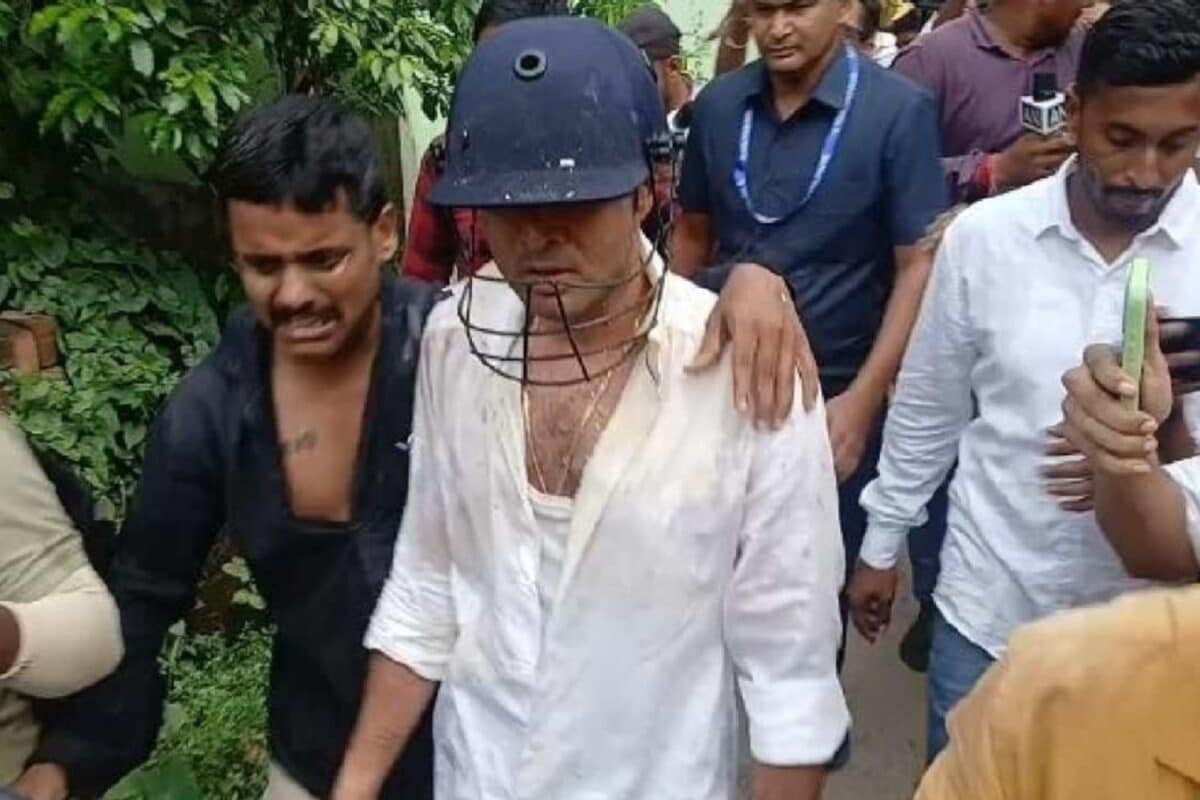
Abhishek Banerjee was reportedly attacked by protesters while visiting families allegedly affected by post-election violence in West Bengal’s South 24 Parganas district. Visuals from the scene showed stones, eggs, and slippers being hurled as security personnel struggled to escort him safely.
The TMC leader later claimed that a brick struck near his eye and described the assault as “pre-planned” and “BJP-sponsored.”
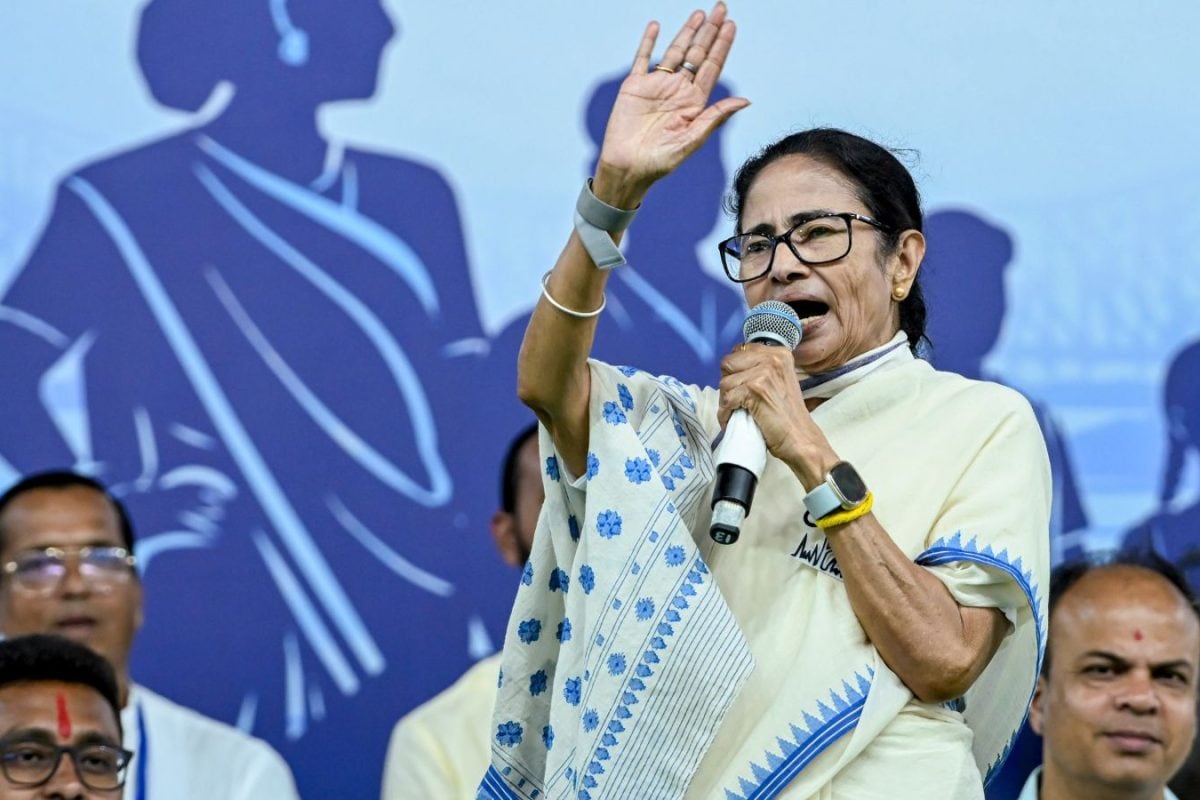
Mamata Banerjee reacted sharply, accusing the BJP of creating an atmosphere of political violence. In a strongly worded statement, she said, “Rulers became killers,” while alleging that opposition leaders were being deliberately targeted.
The BJP, however, denied involvement and said public anger against the TMC was responsible for the protests.
INDIA Bloc Leaders Rally Behind TMC
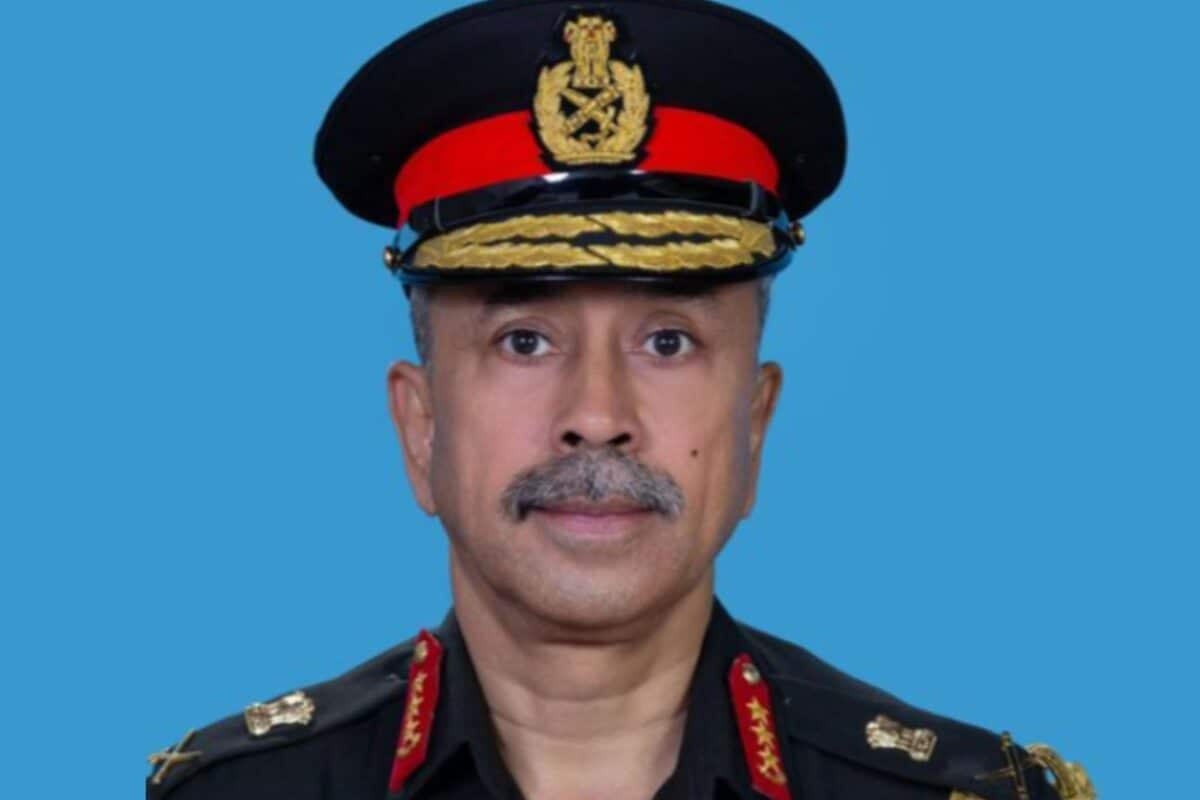
What made the incident politically significant was the swift reaction from several opposition figures. According to multiple reports, leaders within the INDIA bloc condemned the attack and called for democratic restraint. Congress president Mallikarjun Kharge reportedly demanded action over the incident, while other opposition voices framed the attack as part of a broader pattern of political intimidation.
The public support is notable because relations between the Congress and the TMC have often been uneasy, particularly in West Bengal where both parties compete politically. Earlier this year, sharp remarks from Rahul Gandhi against Mamata Banerjee had highlighted growing friction within the opposition camp.
Yet the response to the Sonarpur incident suggests that opposition parties may still be willing to unite when confronted with what they describe as political aggression from the BJP.
Is Mamata Banerjee Trying To Reclaim A National Opposition Role?
Political observers believe Mamata Banerjee could now be positioning herself once again as a central pillar of opposition politics.
After the BJP’s breakthrough victory in the 2026 West Bengal Assembly elections, Mamata has intensified her attacks on the ruling party and repeatedly alleged electoral manipulation. She recently indicated that an INDIA bloc strategy meeting could take place in early June to discuss a coordinated political roadmap.
That statement has revived speculation that the TMC chief wants a stronger role in shaping the opposition narrative nationally.
Mamata Banerjee has historically played an important role in attempts to unite anti-BJP forces. She was among the early leaders advocating a broad opposition front before the formal launch of the INDIA alliance.
Why The Timing Matters
The political timing is crucial for multiple reasons:
- The opposition is attempting to regroup after setbacks in several states.
- Questions remain over leadership and coordination within the INDIA bloc.
- Regional parties are increasingly seeking greater influence within the alliance.
- The BJP’s expanding footprint in eastern India has intensified pressure on opposition parties to cooperate.
For Mamata Banerjee, the attack on Abhishek Banerjee may also serve as a rallying point to rebuild political solidarity beyond Bengal.
Can The INDIA Bloc Stay United?
Despite the public show of support, challenges within the alliance remain substantial. The Congress and TMC continue to compete directly in Bengal, while regional ambitions across opposition parties often complicate seat-sharing and leadership decisions.
Still, moments of political confrontation often push opposition parties closer together, at least temporarily. The condemnation following the attack on Abhishek Banerjee indicates that the INDIA bloc may still find common ground on issues involving federalism, democratic rights, and political violence.
Whether this translates into long-term unity remains uncertain. But for now, Mamata Banerjee appears determined to use the moment to reposition herself at the centre of opposition politics once again.