


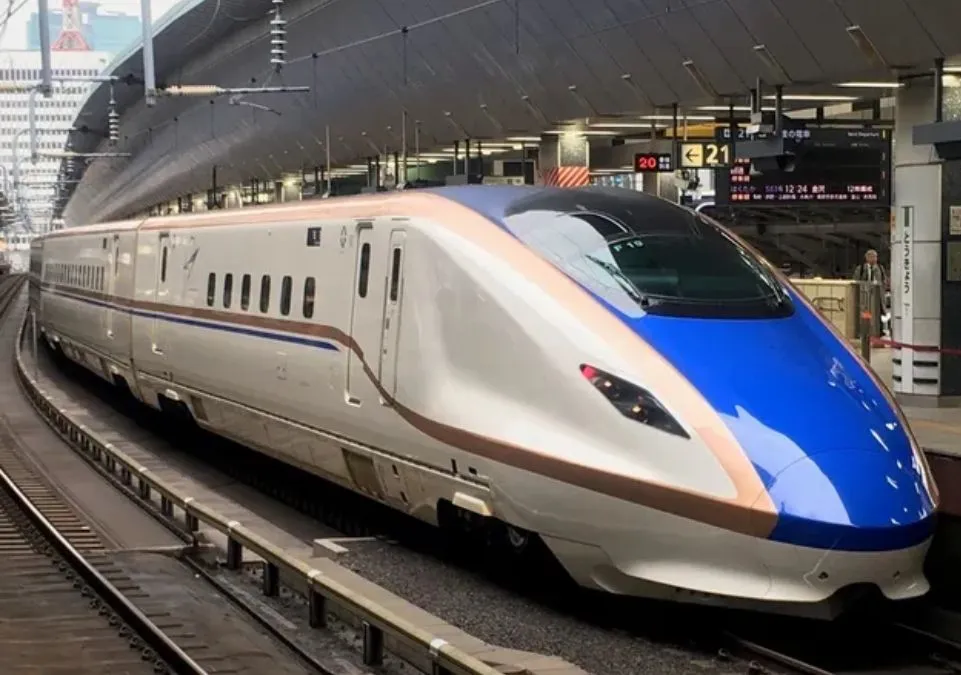
India’s high-speed rail vision has taken another major leap as the Centre has proposed a new bullet train corridor connecting Delhi and Siliguri, promising to cut travel time dramatically to just around 6 hours once operational. The announcement is part of a broader national push to expand dedicated high-speed rail networks across the country.
A Transformational Rail Project
The proposed corridor is part of the government’s plan to build multiple new bullet train routes under the high-speed rail expansion programme. Along with Delhi–Varanasi, the Varanasi–Siliguri line is a key extension aimed at linking eastern and northeastern India with the national capital region.
Together, these routes are expected to form a faster connectivity backbone between North India and the Northeast corridor via Bihar and West Bengal.
Travel Time: From Nearly 18 Hours to 6 Hours
At present, the journey between Delhi and Siliguri typically takes 14–18 hours by rail or road combinations depending on route and congestion.
Under the proposed high-speed rail system:
- Trains are expected to run at 320–350 km/h
- Travel time could be reduced to around 6 hours
- The route may pass through key hubs such as Varanasi and Patna (via linked corridors)
This would make it one of the fastest long-distance rail connections in eastern India.
Route Strategy: Connecting Two Major Corridors
Rather than a single straight line, the project is expected to operate through a linked corridor model:
1. Delhi–Varanasi High-Speed Line
This segment forms the backbone of the northern high-speed network, reducing travel time significantly between the capital and Uttar Pradesh.
2. Varanasi–Siliguri Extension
This extension connects eastern Uttar Pradesh, Bihar, and North Bengal, improving access to the Northeast region.
Officials say this design allows better integration with other planned corridors while reducing construction complexity.
Economic and Strategic Impact
If completed, the corridor could have major benefits:
- Faster passenger movement between North and Northeast India
- Boost to tourism in regions like North Bengal and Sikkim access points
- Stronger freight and logistics efficiency
- Better connectivity to Nepal, Bhutan, and Northeast states
- Reduced pressure on highways and conventional rail routes
The government has described the broader high-speed rail programme as a step toward modern, low-emission transport infrastructure.
Timeline and Reality Check
While the proposal has generated excitement, it is still in the early planning and announcement stage. Experts note that:
- Detailed Project Reports (DPRs) are still being developed
- Land acquisition and alignment studies are pending
- Full operational timelines could stretch into the 2030s or beyond
Similar high-speed projects in India, such as Mumbai–Ahmedabad, are still under construction, highlighting the long development cycle of such mega infrastructure.
Conclusion
The proposed Delhi–Siliguri bullet train corridor represents one of India’s most ambitious rail connectivity ideas yet. If executed successfully, it could shrink distances across northern and eastern India like never before—turning a near full-day journey into a six-hour high-speed ride.
However, like all large infrastructure plans, its success will depend on execution speed, funding, and long-term coordination between multiple states and agencies.