

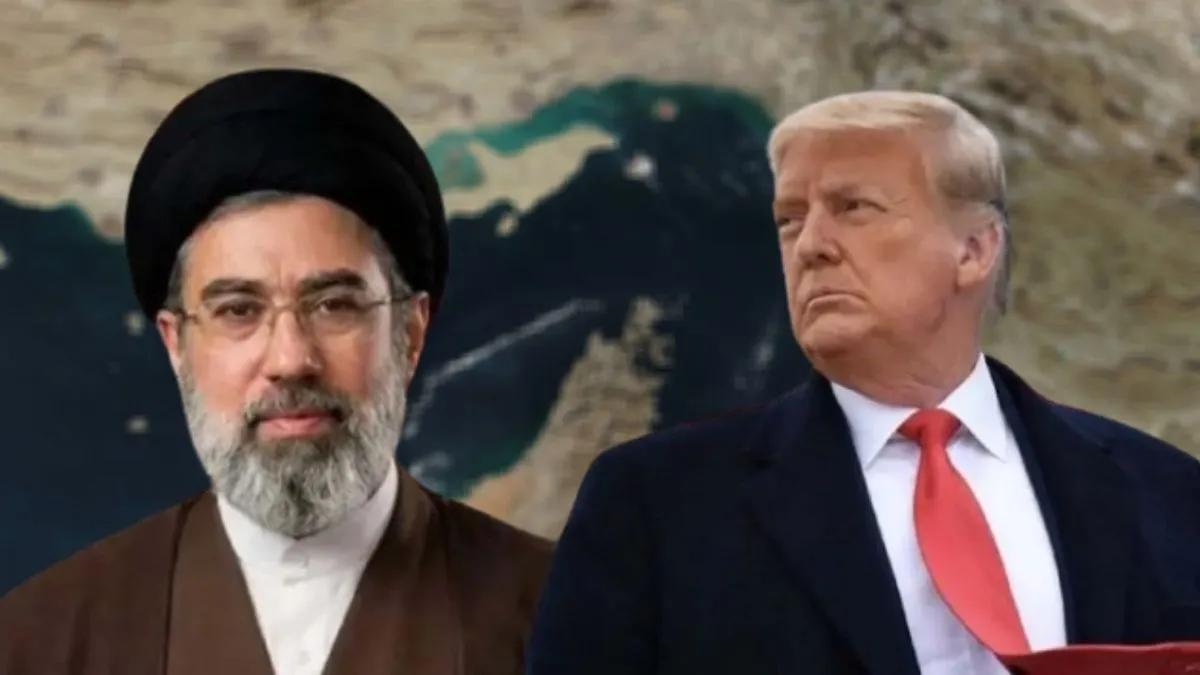
Recent reports indicate that a U.S.–Iran peace agreement is moving forward, with mediators claiming that both sides have agreed in principle to a permanent halt in military operations and are preparing for a formal signing ceremony in Switzerland on June 19, 2026.
Key Developments
- The agreement was announced by Shehbaz Sharif, whose government has played a major mediation role between the United States and Iran.
- Both sides reportedly agreed to an “immediate and permanent” cessation of military operations, including conflict-related activities in Lebanon.
- A formal signing ceremony is expected to take place in Switzerland, most likely in Geneva, on June 19. Swiss authorities have publicly offered to host the event.
- The deal reportedly includes reopening the strategic Strait of Hormuz and ending U.S. maritime restrictions on Iranian ports.
- A 60-day negotiation period is expected to follow, during which the two countries will attempt to resolve outstanding issues, particularly Iran’s nuclear program and sanctions-related matters.
Why It Matters
The reopening of the Strait of Hormuz could significantly reduce pressure on global energy markets because roughly one-fifth of the world’s oil trade normally passes through the waterway. Reports suggest oil prices have already reacted positively to the prospect of a lasting agreement.
Important Caveat
While officials from both countries and mediating governments have confirmed that an agreement has been reached, the full text of the deal has not yet been publicly released, and the accord will not be legally finalized until it is formally signed. Analysts continue to describe the situation as promising but fragile until implementation begins.
In short, mediation efforts appear to have succeeded in producing a framework peace deal, with a permanent ceasefire planned and a Switzerland signing ceremony expected on June 19, but the most difficult negotiations—especially over nuclear issues—are still ahead.