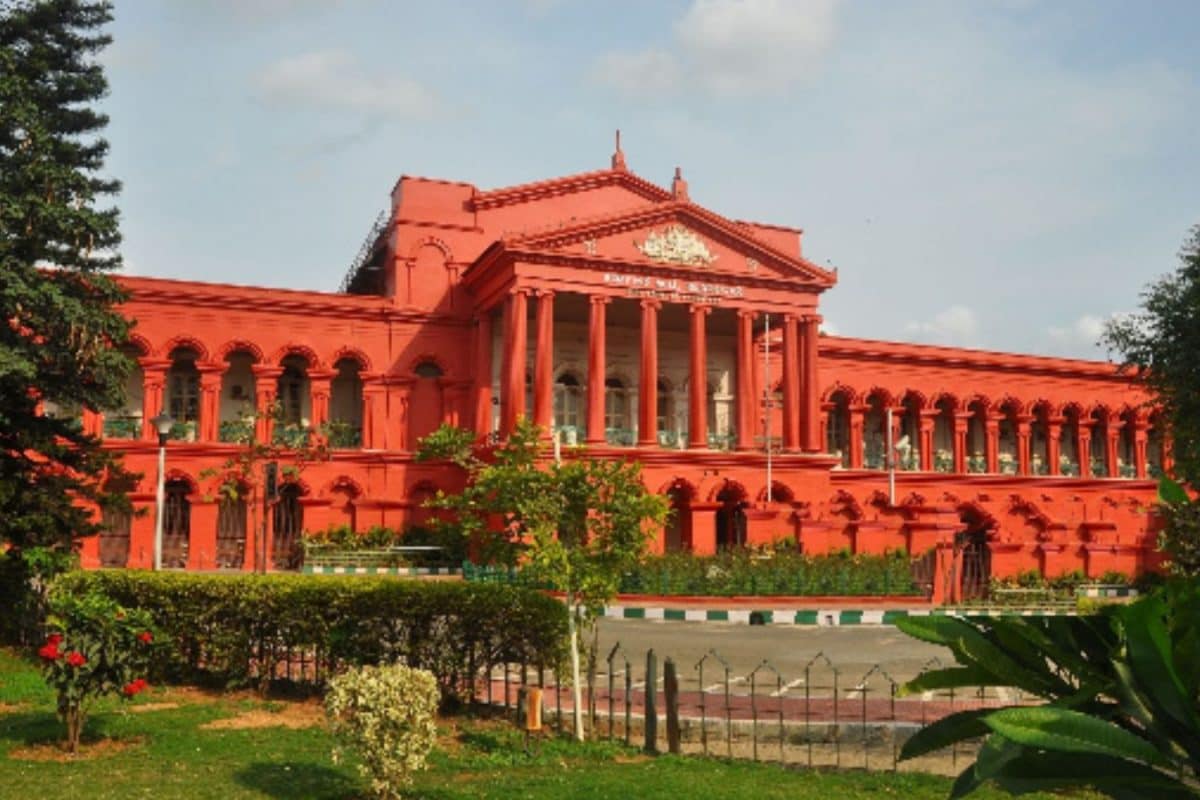



A recent judgment by the Himachal Pradesh High Court could pose significant legal and regulatory challenges to the Centre’s aggressive crackdown on substandard and allegedly “bad quality” drugs in India. The ruling, which has sparked debate within legal and pharmaceutical circles, comes at a time when central authorities are intensifying action against pharmaceutical companies following multiple reports of contaminated and failed drug samples across the country.
The case has gained national attention because Himachal Pradesh is one of India’s major pharmaceutical manufacturing hubs, housing hundreds of drug manufacturing units that supply medicines across domestic and international markets. Any judicial interpretation affecting enforcement powers under the Drugs and Cosmetics Act could therefore have wide-reaching consequences for India’s drug regulation framework.
What The Himachal High Court Said
The Himachal Pradesh High Court reportedly observed that merely because a drug sample is declared “Not of Standard Quality” (NSQ), criminal prosecution against manufacturers cannot automatically proceed without following proper statutory procedures and establishing clear evidence of negligence or wrongdoing. Legal experts say the judgment emphasizes procedural safeguards available to manufacturers under existing law.
A major point highlighted in the ruling concerns the rights of drug manufacturers to challenge laboratory findings through retesting and independent analysis before punitive action is finalized. The court reportedly stressed that due process cannot be bypassed even in cases involving public health concerns.
The judgment has triggered concerns within regulatory agencies because authorities in recent months have adopted a stricter approach toward pharmaceutical firms after several medicines failed quality tests conducted by government laboratories.
Centre’s Recent Crackdown On Drug Quality
The Union government has been increasing surveillance of pharmaceutical manufacturing units following global scrutiny over Indian-made medicines. In the past two years, Indian drug exports came under international attention after reports linked certain contaminated cough syrups to deaths of children in countries including Gambia and Uzbekistan.
In response, the Centre launched large-scale inspections of manufacturing facilities, suspended licenses of several firms, and published periodic lists of drug samples found to be substandard or spurious. The Central Drugs Standard Control Organisation (CDSCO) and state regulators have since intensified testing and enforcement actions.
Officials have argued that tougher regulation is necessary to restore confidence in India’s pharmaceutical sector, which is often referred to as the “pharmacy of the world” due to its large generic medicine production capacity.
Why The Judgment Could Become A Legal Hurdle
Legal analysts say the High Court judgment may complicate future enforcement actions in several ways.
First, pharmaceutical companies facing prosecution may now increasingly rely on the ruling to challenge criminal proceedings, especially if they believe testing procedures were flawed or statutory protections were ignored.
Second, the ruling could slow down regulatory action because authorities may need to ensure additional procedural compliance before suspending licenses, filing cases, or publicly naming companies linked to failed drug samples.
Third, the judgment may raise the evidentiary threshold required for successful prosecution under the Drugs and Cosmetics Act. Experts note that proving manufacturing negligence, contamination, or deliberate violations often involves complex technical evidence and multiple laboratory processes.
Some legal observers believe the ruling reinforces the principle that public health enforcement must still operate within constitutional and statutory safeguards, while others fear it could weaken deterrence against repeat violators.
Industry Reaction Mixed
Sections of the pharmaceutical industry have welcomed the emphasis on due process, arguing that not every failed sample necessarily indicates intentional malpractice or systemic manufacturing failure. Industry representatives often point out that drug samples can fail for several reasons, including storage conditions, transportation issues, or batch-specific problems.
At the same time, public health activists have expressed concern that excessive procedural delays could weaken accountability in cases involving potentially dangerous medicines. They argue that faster enforcement is essential when public safety is at risk.
The debate reflects the broader tension between ensuring strict pharmaceutical oversight and protecting manufacturers from arbitrary or premature punitive action.
Bigger Questions For India’s Drug Regulation System
The controversy surrounding the judgment has once again highlighted structural challenges within India’s drug regulation framework, including uneven enforcement standards across states, shortage of inspectors, laboratory capacity constraints, and lengthy legal proceedings.
Experts say the case may eventually influence future policy reforms or even reach higher judicial forums if conflicting interpretations emerge regarding regulatory powers under the Drugs and Cosmetics Act.
For the Centre, the challenge now lies in balancing aggressive quality enforcement with legally sustainable procedures that can withstand judicial scrutiny. As India seeks to maintain its global pharmaceutical reputation, both regulators and courts are likely to play an increasingly important role in shaping the future of drug safety and accountability in the country.