

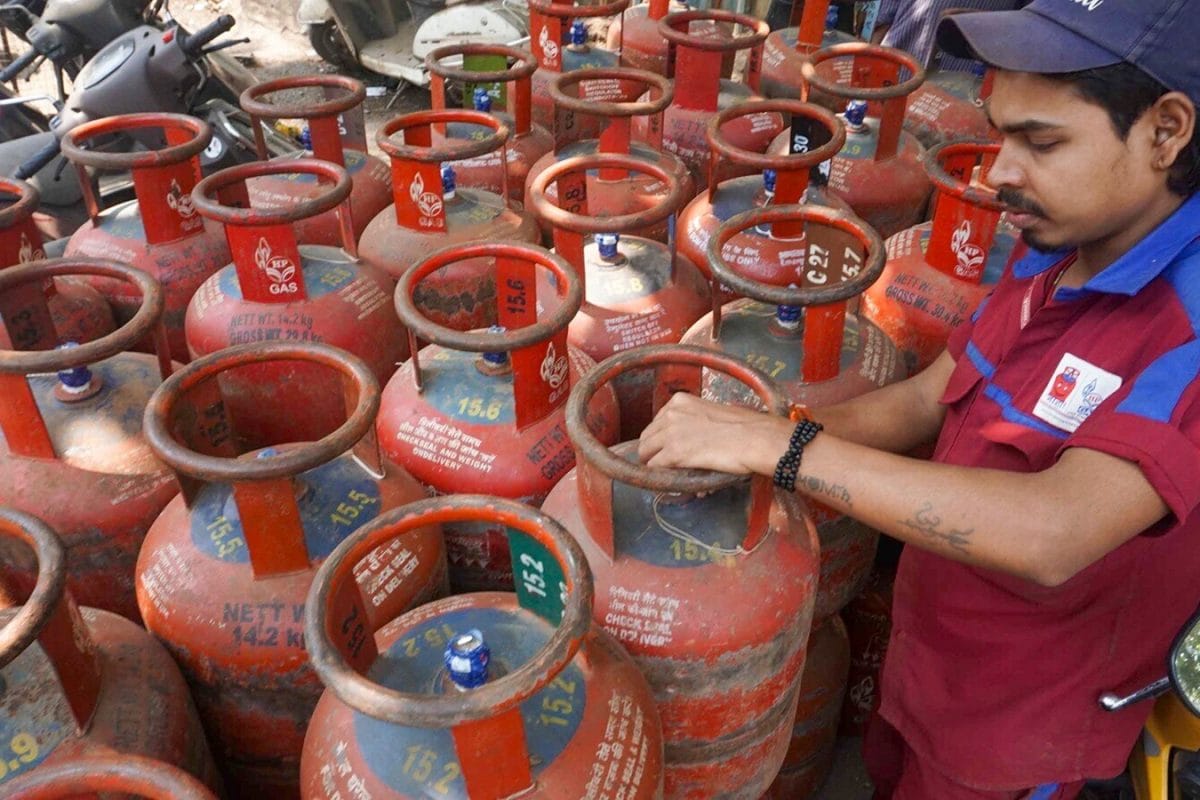
India is reportedly considering reducing the quantity of domestic LPG refill cylinders from the standard 14.2 kg to 10 kg amid growing concerns over energy supply disruptions linked to tensions around the Strait of Hormuz, one of the world’s most critical oil and gas shipping routes.
According to officials familiar with the discussions, the proposal is being examined as a precautionary measure to manage supplies efficiently if the ongoing geopolitical crisis in the Gulf region worsens and impacts fuel imports. The Strait of Hormuz handles a significant portion of global crude oil and liquefied petroleum gas shipments, making any disruption a major concern for energy-importing nations like India.
Government sources indicated that no final decision has been taken yet, but authorities are evaluating multiple contingency plans to ensure uninterrupted LPG availability for households across the country. The possible temporary reduction in refill quantity is being viewed as a supply-management strategy rather than a price-control measure.
India imports a substantial share of its LPG requirements from Gulf countries, and prolonged instability in the region could lead to higher shipping costs, delayed cargo movement, and tighter energy supplies. Officials are reportedly monitoring the situation closely alongside oil marketing companies and international suppliers.
Energy experts noted that reducing refill quantity could help distribute available LPG stocks more evenly among consumers during periods of supply stress. However, they also warned that such a move could affect household budgets and increase the frequency of cylinder refills for families.
The discussions come amid heightened global concerns over the Iran-Israel conflict and the possibility of disruptions to maritime trade routes passing through the Gulf region. International crude oil prices have already shown volatility due to fears surrounding shipping security and regional escalation.
Government officials have emphasized that India maintains strategic fuel reserves and diversified energy sourcing arrangements to handle emergencies. Authorities are also exploring alternative shipping routes and supply channels to reduce potential risks associated with the Hormuz corridor.
Opposition parties and consumer groups have begun reacting to reports of the possible reduction, with some expressing concern over the burden it could place on middle-class and low-income households already dealing with inflationary pressures.
Industry analysts believe the situation highlights India’s vulnerability to global energy shocks despite ongoing efforts to expand renewable energy and diversify import sources.
The Centre is expected to continue reviewing the situation based on developments in the Middle East and global energy markets before taking any formal policy decision regarding LPG distribution norms.