

A major exit poll projection suggesting the BJP could secure nearly 48 per cent vote share in West Bengal has intensified political debate, with pollsters arguing that a significant swing in voter support may be enough to unseat the ruling All India Trinamool Congress government led by Mamata Banerjee.
According to the survey estimates, the BJP is projected to hold a nearly 10-point lead in vote share over its rivals in several regions, raising the possibility of a dramatic shift in Bengal’s political landscape.
Poll analysts noted that even relatively small swings in vote share can produce disproportionately large seat gains in tightly contested states like West Bengal, where constituency-level margins often determine electoral outcomes.
The projections suggest that the BJP may have expanded its support base beyond its traditional urban and northern Bengal strongholds into rural and semi-urban constituencies where the TMC has historically maintained dominance.
Political observers pointed to multiple factors that may have contributed to the projected vote share swing, including aggressive campaigning by BJP leaders, polarization around national and regional issues, allegations of corruption against sections of the ruling establishment, and anti-incumbency sentiment in certain districts.
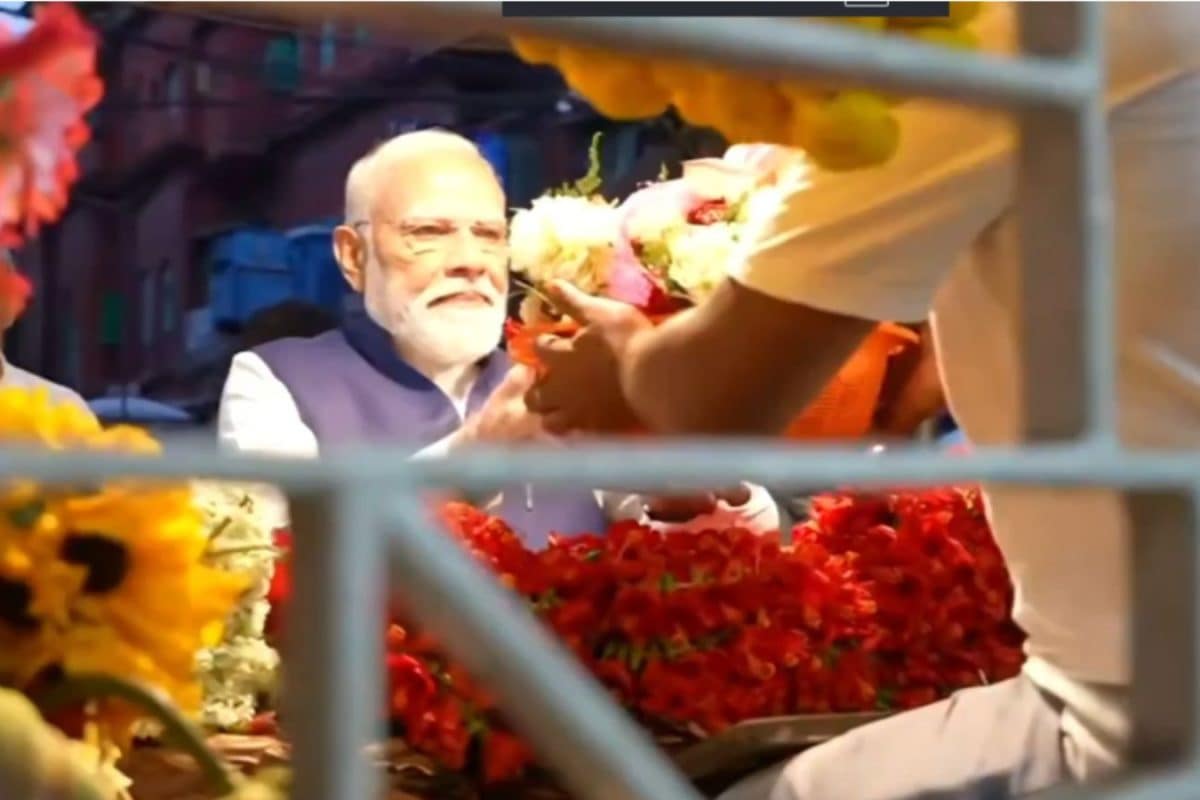
The BJP’s campaign reportedly focused heavily on governance, law and order, border security, welfare delivery, and political violence allegations. Senior party leaders also intensified outreach among women, youth, and first-time voters.
On the other hand, the TMC camp dismissed the exit poll projections and maintained confidence in Mamata Banerjee’s popularity and the party’s extensive grassroots network.
TMC leaders argued that welfare schemes, women-centric programmes, rural outreach, and Bengali regional identity remained major strengths for the ruling party. Party leaders also accused some pollsters of attempting to shape political narratives ahead of counting day.
Election experts cautioned that vote share projections do not always directly translate into seats and emphasized that regional variations, alliance arithmetic, and constituency-specific dynamics could significantly influence final results.
Analysts said Bengal’s electoral politics remains highly competitive due to the sharp polarization between the BJP and TMC, with both parties investing heavily in organizational mobilization and booth-level management.
The projected 48 per cent vote share has become one of the most discussed figures in the ongoing election discourse, especially because crossing certain vote thresholds in Bengal’s first-past-the-post system can trigger major seat swings.
Despite the dramatic projections, political commentators stressed that exit polls remain estimates based on voter sampling and should not be treated as final verdicts until official counting is completed.
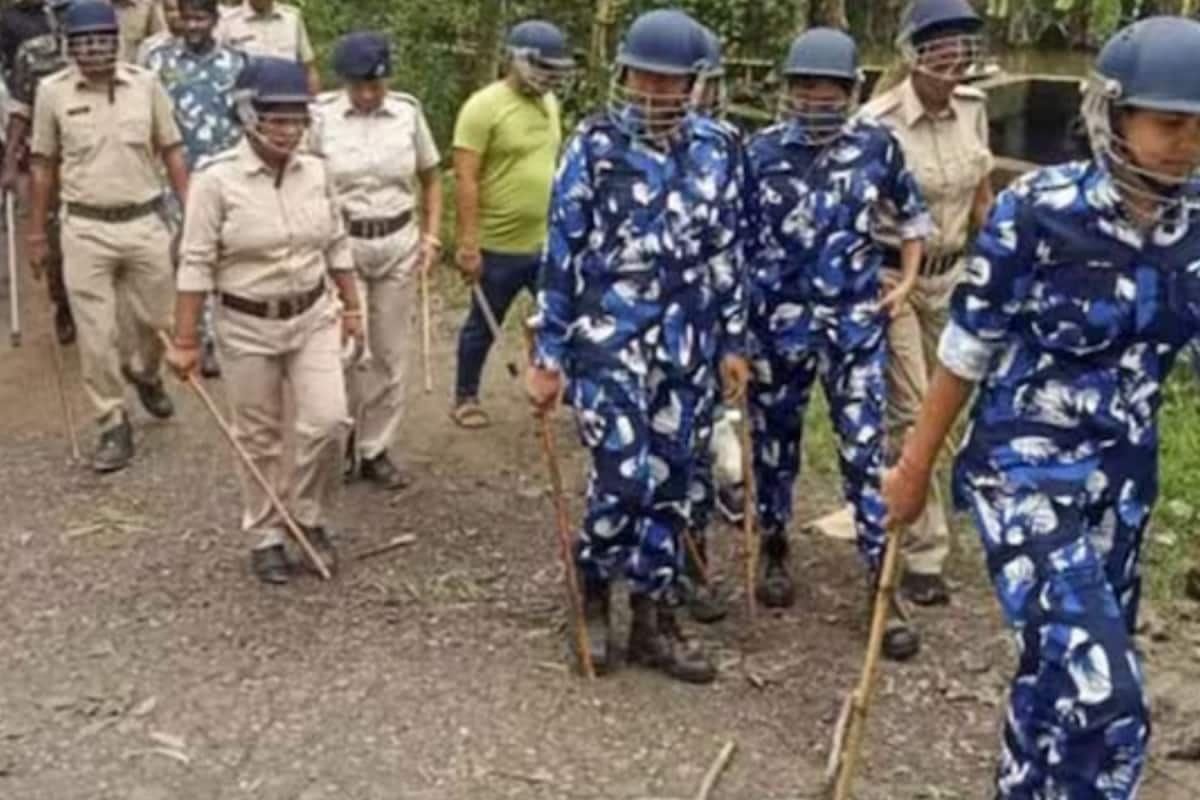
With counting day approaching, both the BJP and TMC have intensified monitoring of strongrooms and election preparations, reflecting the high political stakes surrounding what could become one of the most consequential elections in West Bengal in recent years.