


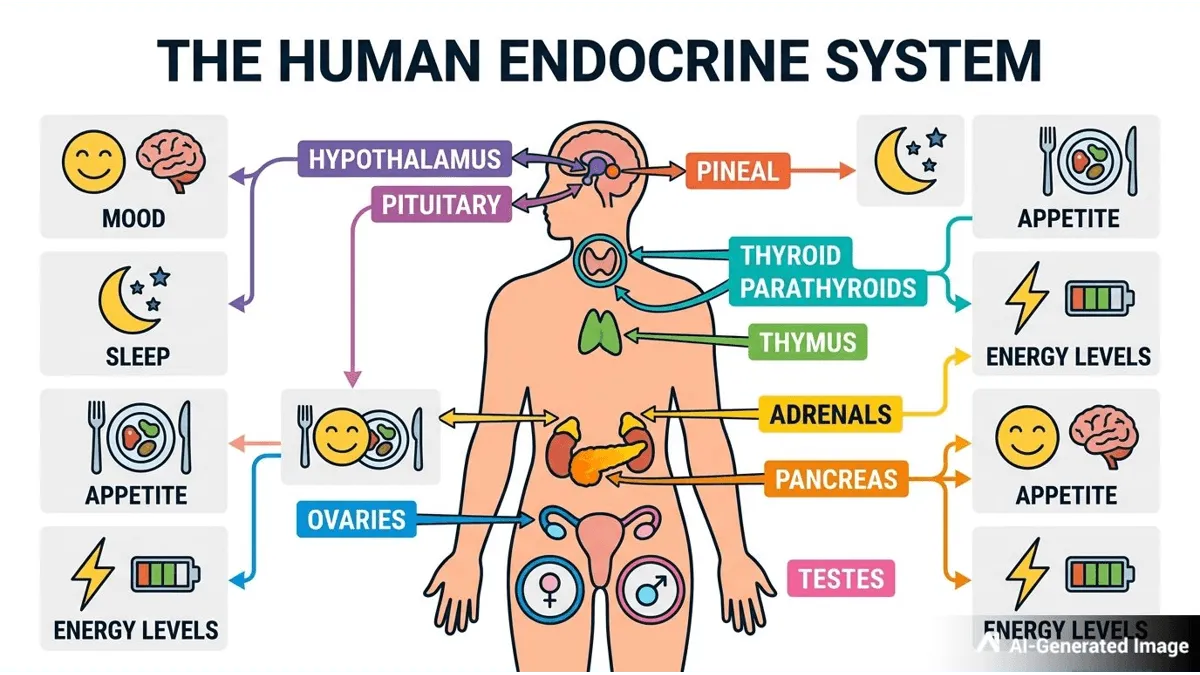
Hormones are the body’s chemical messengers that regulate many essential functions, including mood, sleep, metabolism, energy levels, and weight management. When hormones are balanced, the body functions smoothly. However, even small hormonal imbalances can significantly impact overall health and well-being.
How Hormones Affect Mood
Hormones play a crucial role in emotional health. Key hormones that influence mood include:
- Serotonin: Often called the “feel-good” hormone, it helps regulate happiness and emotional stability.
- Cortisol: Known as the stress hormone, elevated cortisol levels can lead to anxiety, irritability, and mood swings.
- Estrogen and Testosterone: These hormones influence emotional well-being in both men and women.
Signs of Hormonal Mood Imbalance
- Frequent mood swings
- Anxiety or depression
- Irritability
- Lack of motivation
- Difficulty concentrating
The Connection Between Hormones and Sleep
Quality sleep depends on proper hormonal regulation.
Important Sleep Hormones
- Melatonin: Controls the sleep-wake cycle.
- Cortisol: Should naturally decrease at night and rise in the morning.
- Growth Hormone: Released during deep sleep to support repair and recovery.
When these hormones become imbalanced, you may experience:
- Insomnia
- Difficulty falling asleep
- Frequent nighttime awakenings
- Daytime fatigue
Hormones and Weight Management
Hormones directly affect how the body stores fat, burns calories, and controls hunger.
Key Hormones Involved in Weight Control
- Insulin: Regulates blood sugar and fat storage.
- Leptin: Signals fullness to the brain.
- Ghrelin: Stimulates hunger.
- Thyroid Hormones: Control metabolism and energy expenditure.
Symptoms of Hormonal Weight Issues
- Unexplained weight gain
- Difficulty losing weight despite diet and exercise
- Increased belly fat
- Sugar cravings
- Low energy levels
Common Causes of Hormonal Imbalance
- Chronic stress
- Poor sleep habits
- Unhealthy diet
- Lack of physical activity
- Aging
- Certain medications
- Medical conditions such as Polycystic Ovary Syndrome, Type 2 Diabetes, and thyroid disorders
Tips to Support Hormonal Balance
1. Prioritize Sleep
Aim for 7–9 hours of quality sleep each night and maintain a consistent sleep schedule.
2. Eat a Balanced Diet
Include:
- Lean proteins
- Healthy fats
- Fruits and vegetables
- Whole grains
- Fiber-rich foods
3. Manage Stress
Try:
- Meditation
- Deep breathing exercises
- Yoga
- Regular physical activity
4. Exercise Regularly
Both strength training and cardiovascular exercise can help regulate hormones and improve metabolism.
5. Limit Sugar and Processed Foods
Excess sugar consumption can contribute to insulin resistance and hormonal disruption.
When to Seek Medical Advice
If you experience persistent symptoms such as severe fatigue, significant weight changes, ongoing mood disturbances, irregular menstrual cycles, or sleep problems, consult a healthcare professional. Blood tests and medical evaluation can help identify underlying hormonal issues.
Conclusion
Hormonal balance is essential for maintaining a healthy mood, restful sleep, and a stable weight. By focusing on good nutrition, regular exercise, stress management, and adequate sleep, many people can support healthy hormone function and improve their overall quality of life.