

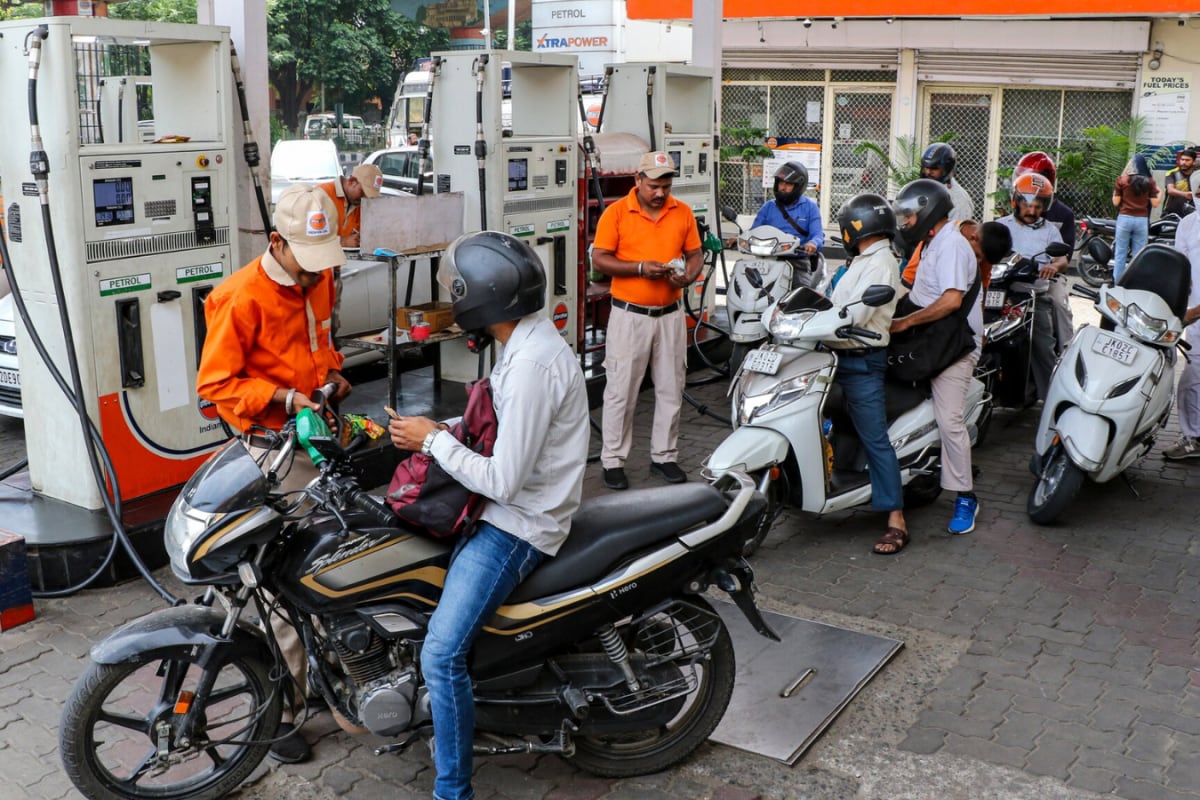
Indian consumers are facing mounting pressure at fuel stations after petrol and diesel prices were increased for the fourth time in less than two weeks. The latest hike, announced on Monday, pushed petrol prices above ₹102 per litre in Delhi, while diesel crossed ₹95 per litre.
The repeated increases come amid rising global crude oil prices linked to escalating tensions involving Iran and disruptions in the broader West Asian region. But even if the United States and Iran were to suddenly reach a diplomatic breakthrough, experts say Indian consumers should not expect fuel prices to immediately fall.
Four Hikes In Just 11 Days
India’s state-owned oil marketing companies (OMCs) — including Indian Oil, BPCL, and HPCL — resumed fuel price revisions on May 15 after keeping prices largely frozen for years despite volatile global crude markets.
The sequence of hikes has been sharp:
- May 15: Petrol and diesel prices raised by ₹3 per litre
- May 19: Another increase of around 90 paise
- May 23: Third hike of 87–91 paise
- May 25: Fresh increase of ₹2.61 on petrol and ₹2.71 on diesel
Cumulatively, petrol and diesel prices have risen by roughly ₹7–8 per litre in under two weeks.
Why Global Oil Markets Matter So Much To India
India imports nearly 85% of its crude oil needs, making the country highly vulnerable to global energy shocks. Any geopolitical tension in West Asia — especially involving Iran or the Strait of Hormuz — immediately affects international crude prices, shipping insurance costs, freight charges, and refinery margins.
The Strait of Hormuz is particularly critical because a major share of the world’s oil supply passes through the narrow waterway. Even fears of disruption can trigger speculative spikes in oil markets.
The current crisis has already pushed up import costs for Indian refiners, weakening the ability of oil companies to absorb losses.
Why A US-Iran Deal Won’t Instantly Lower Prices
At first glance, a diplomatic agreement between Washington and Tehran should calm oil markets. However, economists and energy analysts say several factors could delay relief for Indian consumers.
1. Oil Companies Are Recovering Past Losses
For years, Indian fuel retailers avoided passing the full burden of rising crude prices to consumers. Reports suggest OMCs accumulated massive under-recoveries while keeping petrol and diesel rates relatively stable.
Now, companies are gradually compensating for those losses. That means even if crude prices soften tomorrow, retailers may continue maintaining higher pump prices to stabilize balance sheets.
2. Crude Prices May Not Fall Dramatically Overnight
Energy markets typically react cautiously after geopolitical crises. Traders wait to see whether agreements are durable and whether sanctions, shipping risks, or military tensions truly ease.
Even an announced US-Iran understanding may not immediately restore full oil flows or normalize supply chains. Shipping insurers, freight operators, and refiners often continue pricing in “risk premiums” for weeks or months.
3. The Rupee Remains Under Pressure
Fuel prices in India are influenced not just by crude oil rates but also by the rupee-dollar exchange rate. A weaker rupee makes imports more expensive even if global oil prices moderate.
Recent fuel hikes have also coincided with currency pressure and higher import costs.
4. Taxes Form A Large Part Of Fuel Prices
Even when crude prices fall internationally, retail fuel prices in India do not always decline proportionately because central excise duty and state VAT make up a significant share of the final pump price.
This means reductions in crude oil costs often get partially absorbed through taxes, dealer commissions, or company margins rather than translating directly into immediate consumer relief.
Ripple Effect Across The Economy
Fuel inflation rarely remains limited to petrol pumps. Higher diesel prices increase transportation and logistics costs, which eventually affect food delivery, groceries, public transport, e-commerce, and industrial supply chains.
Economists warn that repeated fuel hikes could add pressure on retail inflation in coming months, especially if global energy markets remain unstable.
Many small businesses and transport operators are already expressing concern over rising operational costs, while consumers fear another wave of inflation similar to previous global energy crises.
What Happens Next?
Much now depends on geopolitical developments in West Asia and how aggressively Indian oil companies continue passing global costs to consumers.
If tensions ease significantly and crude prices stabilize below current levels for a sustained period, future hikes may slow down. However, analysts believe an immediate rollback in fuel prices remains unlikely unless global oil markets cool sharply and domestic political or economic conditions push authorities toward intervention.
For now, Indian consumers may have to prepare for continued volatility at fuel stations — even if diplomacy eventually reduces tensions between the US and Iran.