

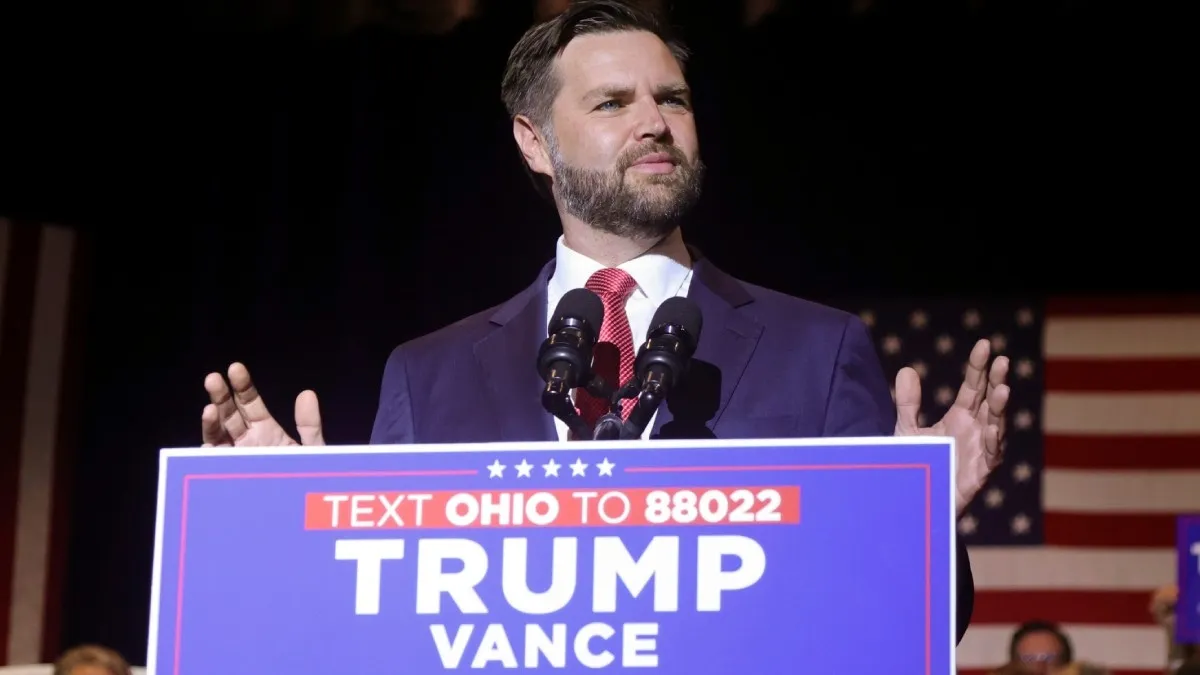
U.S. Vice President JD Vance sharply criticized Israeli officials who attacked the Trump administration’s recent Iran agreement, warning that Israel should not undermine what he described as its most important international ally.
According to reports, Vance said some Israeli politicians were acting ungratefully given the extensive military, diplomatic, and financial support the United States provides to Israel. He argued that President Donald Trump remains one of Israel’s strongest supporters on the global stage.
Why Israel Is Upset
The U.S.-Iran memorandum of understanding aims to end the recent conflict and open a 60-day negotiation period for a broader settlement. However, several Israeli leaders have criticized the deal because it reportedly:
- Does not immediately dismantle Iran’s nuclear infrastructure.
- Does not directly address Iran’s ballistic missile program.
- Calls for regional de-escalation while leaving some security concerns unresolved.
Israeli officials, including members of Prime Minister Benjamin Netanyahu’s coalition, have voiced concerns that the agreement could strengthen Iran without guaranteeing long-term security.
Vance’s Response
Vance pushed back forcefully, stating that critics should recognize Israel’s dependence on U.S. support and avoid attacking “the only powerful ally” it has left. He also suggested that some criticism was based on misinformation or incomplete details about the agreement.
The vice president has repeatedly defended the deal, arguing that sanctions relief would be tied to Iranian compliance and that Tehran would receive no major benefits unless it fulfills its commitments.
What It Means
The dispute highlights an increasingly public disagreement between Washington and Jerusalem over how to handle Iran. While both governments say preventing an Iranian nuclear weapon remains a priority, they appear divided on the best path forward. Analysts view the exchange as one of the most visible strains in U.S.-Israel relations in recent years.
Bottom line: Vance’s remarks underscore growing tensions between the Trump administration and some Israeli leaders over the Iran deal, exposing differences on regional security strategy even as the two countries remain close allies.