

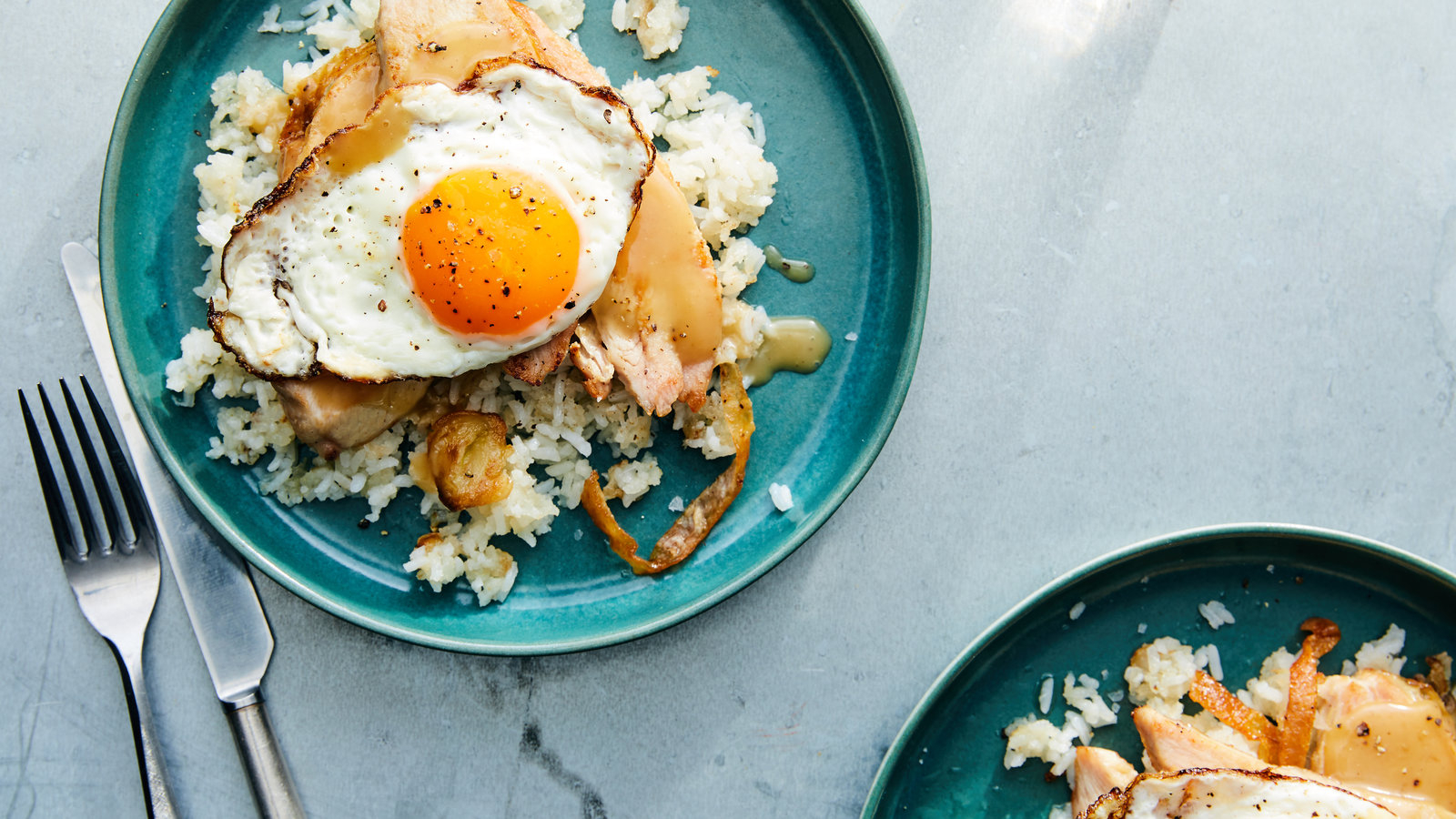
When it comes to comfort food in the Philippines, few dishes are as beloved and versatile as Silog. Found everywhere from roadside eateries and family kitchens to modern cafés, Silog has become a symbol of Filipino breakfast culture. Simple yet satisfying, it combines three essential elements: garlic fried rice, a fried egg, and a flavorful meat or seafood side dish.
More than just a meal, Silog represents the Filipino love for hearty breakfasts that provide energy for the day ahead.
What Does “Silog” Mean?
The name “Silog” comes from the combination of two Filipino words:
- Sinangag – Garlic fried rice
- Itlog – Egg
Together, they form “Silog,” referring to the classic pairing of fried rice and egg. The dish becomes even more interesting when different proteins are added, creating numerous variations enjoyed across the country.
The Core Components
Garlic Fried Rice (Sinangag)
Garlic fried rice is the heart of every Silog meal. Traditionally made using leftover rice from the previous day, it is stir-fried with generous amounts of garlic until fragrant and lightly crispy. The result is a flavorful base that complements a wide variety of toppings.
Fried Egg (Itlog)
A sunny-side-up egg is the most common choice, although scrambled or over-easy eggs are also popular. The rich yolk mixes beautifully with the rice, adding creaminess and depth of flavor.
Protein Add-ons
The third component varies according to personal preference and regional traditions. Popular choices include marinated meats, sausages, seafood, and cured dishes.
Popular Types of Silog
Tapsilog
One of the most famous versions, Tapsilog features tapa, a marinated and cured beef preparation. Its savory and slightly sweet flavor pairs perfectly with garlic rice and egg.
Longsilog
This variation includes longganisa, a Filipino-style sausage known for its distinctive sweet, garlicky, or spicy taste depending on the region.
Tocilog
Made with tocino, a sweet cured pork dish, Tocilog offers a delicious balance of sweetness and savoriness.
Bangsilog
Seafood lovers often choose Bangsilog, which features crispy fried bangus (milkfish), the national fish of the Philippines.
Hotsilog
A favorite among students and busy workers, Hotsilog uses hotdogs as its protein component, making it affordable and easy to prepare.
Why Filipinos Love Silog
Silog’s popularity stems from its simplicity, affordability, and flexibility. The combination of protein, rice, and egg creates a balanced meal that is both filling and comforting.
Another reason for its appeal is customization. Nearly any protein can be paired with garlic rice and egg, leading to countless modern interpretations that cater to different tastes and dietary preferences.
A Breakfast That Lasts All Day
Although traditionally served in the morning, Silog is no longer limited to breakfast. Many restaurants offer it throughout the day, and it is commonly enjoyed for lunch, dinner, or even as a late-night comfort meal.
Its convenience and satisfying flavors have made it one of the Philippines’ most enduring culinary traditions.
A Symbol of Filipino Comfort Food
Silog is more than a breakfast plate—it is a reflection of Filipino home cooking and culinary creativity. Whether served with cured beef, sweet pork, sausage, fish, or modern plant-based alternatives, the combination of egg, garlic fried rice, and flavorful add-ons continues to bring comfort to millions of people every day.
For visitors exploring Filipino cuisine, Silog offers one of the most authentic and delicious introductions to the country’s rich food culture—one hearty plate at a time.