

With water stocks in Mumbai lakes falling to 10%, the BMC has enforced strict new conservation measures for 2026. Learn which services are restricted and how this impacts residents and local businesses during the city’s urgent water crisis.With water stocks in Mumbai lakes falling to 10%, the BMC has enforced strict new conservation measures for 2026. Learn which services are restricted and how this impacts residents and local businesses during the city’s urgent water crisis.
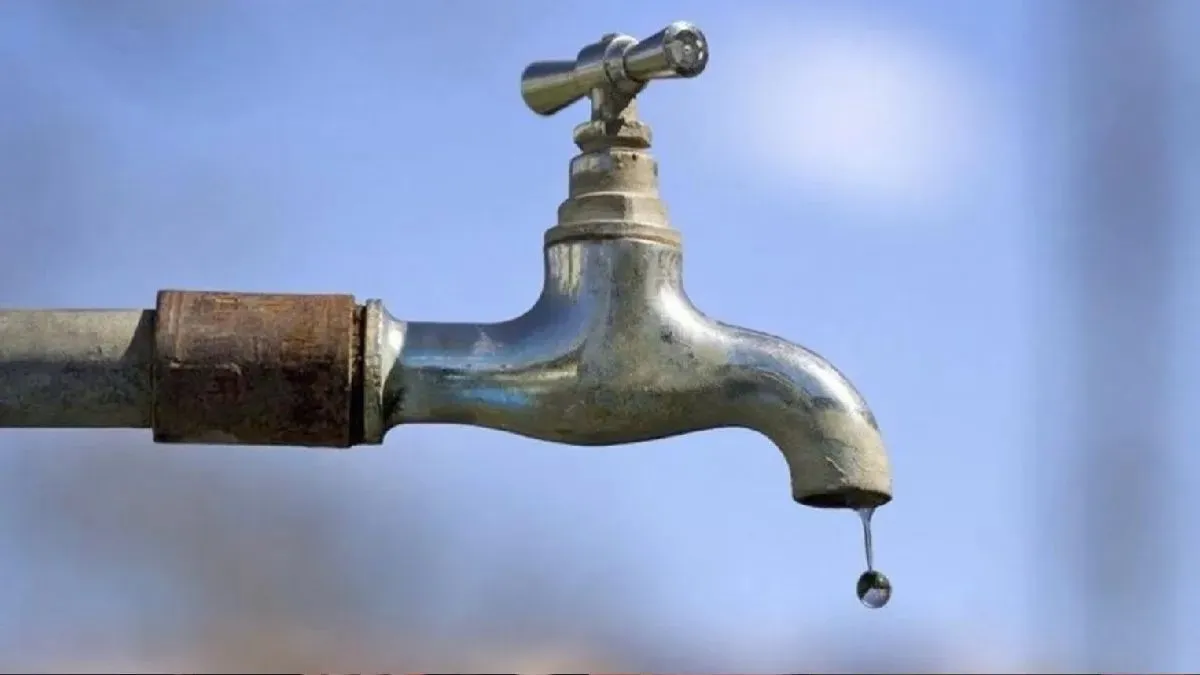
Mumbai is facing a severe water crisis as reservoir levels supplying the city have dropped to a critical 10 percent of their total capacity, prompting authorities to impose strict water cuts across several areas. The move comes amid concerns over dwindling water reserves and delayed rainfall, raising fears of further shortages if conditions do not improve soon.
Officials from the city’s water management department announced a series of conservation measures aimed at preserving the remaining water supply. Residential, commercial, and industrial consumers have been urged to reduce consumption, while non-essential uses such as vehicle washing, garden watering, and decorative fountains may face restrictions.
The declining reservoir levels have been attributed to an extended dry spell and lower-than-expected inflows into key lakes that supply water to Mumbai. Authorities warned that without significant rainfall in the coming weeks, the city could face even stricter rationing measures.
Residents in several neighborhoods have already reported reduced water supply timings, with some areas receiving water for fewer hours than usual. Local administrations are working to ensure equitable distribution while prioritizing essential services such as hospitals, schools, and emergency facilities.
Experts have stressed the importance of water conservation during the crisis. Citizens have been advised to repair leaking taps, minimize wastage, reuse water where possible, and adopt efficient water-use practices at home and in workplaces.
Municipal officials are also monitoring reservoir conditions on a daily basis and coordinating contingency plans, including the deployment of water tankers to the most affected areas if required. The administration has appealed to residents to cooperate with conservation efforts and avoid panic buying or hoarding of water resources.
Environmental analysts note that recurring water shortages highlight the need for long-term solutions, including rainwater harvesting, improved water infrastructure, wastewater recycling, and sustainable urban planning. They argue that climate variability and rapid urban growth are placing increasing pressure on the city’s water resources.
As Mumbai awaits the arrival of substantial rainfall, authorities remain hopeful that weather conditions will improve and replenish the depleted reservoirs. Until then, residents are expected to face continued restrictions as the city works to manage one of its most challenging water shortages in recent years.