

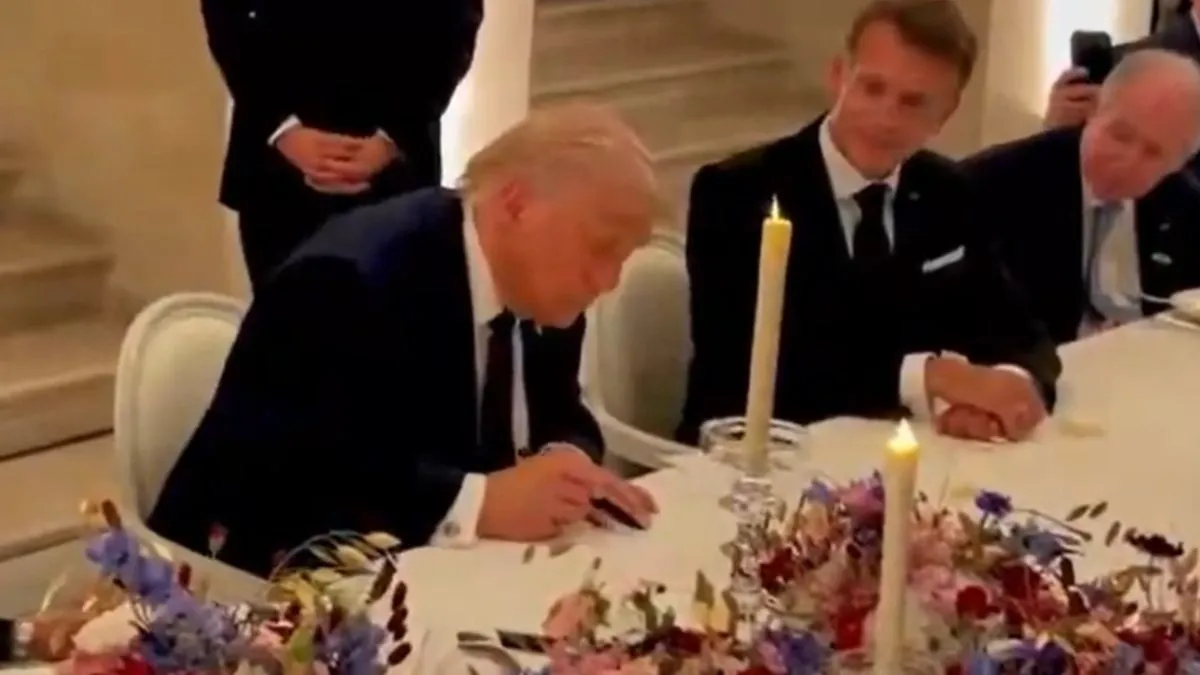
US President Donald Trump has officially signed a landmark peace memorandum with Iran. The historic deal promises to lift critical oil sanctions and reopen the vital Strait of Hormuz to restore global energy trade stability. US President Donald Trump has officially signed a landmark peace memorandum with Iran. The historic deal promises to lift critical oil sanctions and reopen the vital Strait of Hormuz to restore global energy trade stability.
Donald Trump Signs Historic Peace Deal With Iran: Oil Sanctions Lifted & Strait Of Hormuz Reopens
U.S. President Donald Trump and Iran have finalized a preliminary peace agreement aimed at ending months of conflict, reopening the strategically vital Strait of Hormuz, and easing restrictions on Iranian oil exports. Multiple major news organizations report that the agreement has now been signed and entered into force.
Key Highlights of the Agreement
✅ Strait of Hormuz Reopens
- Iran has agreed to reopen the Strait of Hormuz to commercial shipping.
- The U.S. will remove its naval blockade on Iranian ports.
- Full restoration of maritime traffic is expected within 30 days.
✅ Oil Sanctions Relief
- The United States will provide immediate waivers for Iranian oil exports.
- Iranian oil can gradually return to international markets, increasing global supply.
✅ Nuclear Commitments
- Iran has agreed not to pursue nuclear weapons.
- Further negotiations on uranium enrichment and international inspections will continue during a 60-day negotiation period.
✅ Ceasefire Framework
- The memorandum establishes a broad ceasefire and a roadmap toward a permanent settlement.
- Several major issues remain unresolved and will be addressed in follow-up talks.
Impact on Global Oil Markets
The announcement triggered a decline in oil prices as traders anticipated increased supply from Iran and reduced geopolitical risk:
- Brent crude fell below $79 per barrel.
- WTI crude dropped below $76 per barrel.
- Markets removed much of the “war premium” that had been built into oil prices during the conflict.
Why This Matters for India
For India, lower crude oil prices could:
- Reduce fuel import costs.
- Ease inflation pressures.
- Improve the current account deficit.
- Benefit airlines, logistics, manufacturing, and transportation sectors.
What Happens Next?
The agreement is currently an interim framework rather than a final comprehensive treaty. Negotiators have roughly 60 days to reach a broader settlement covering sanctions, nuclear issues, regional security, and long-term maritime arrangements. If talks break down, tensions could return and oil prices could rise again.
This is one of the most significant U.S.–Iran diplomatic breakthroughs in years and has immediate implications for global energy markets, shipping, and Middle East stability.