

Iron deficiency is one of the most common nutritional disorders among women in India. It can affect energy levels, immunity, cognitive function, and overall quality of life. According to national health surveys, anemia—often caused by iron deficiency—affects a significant proportion of Indian women, particularly adolescents, pregnant women, and those of reproductive age.
What Is Iron Deficiency?
Iron is an essential mineral that helps the body produce hemoglobin, the protein in red blood cells responsible for carrying oxygen. When the body lacks sufficient iron, it cannot produce enough healthy red blood cells, leading to iron deficiency anemia.
Common Symptoms
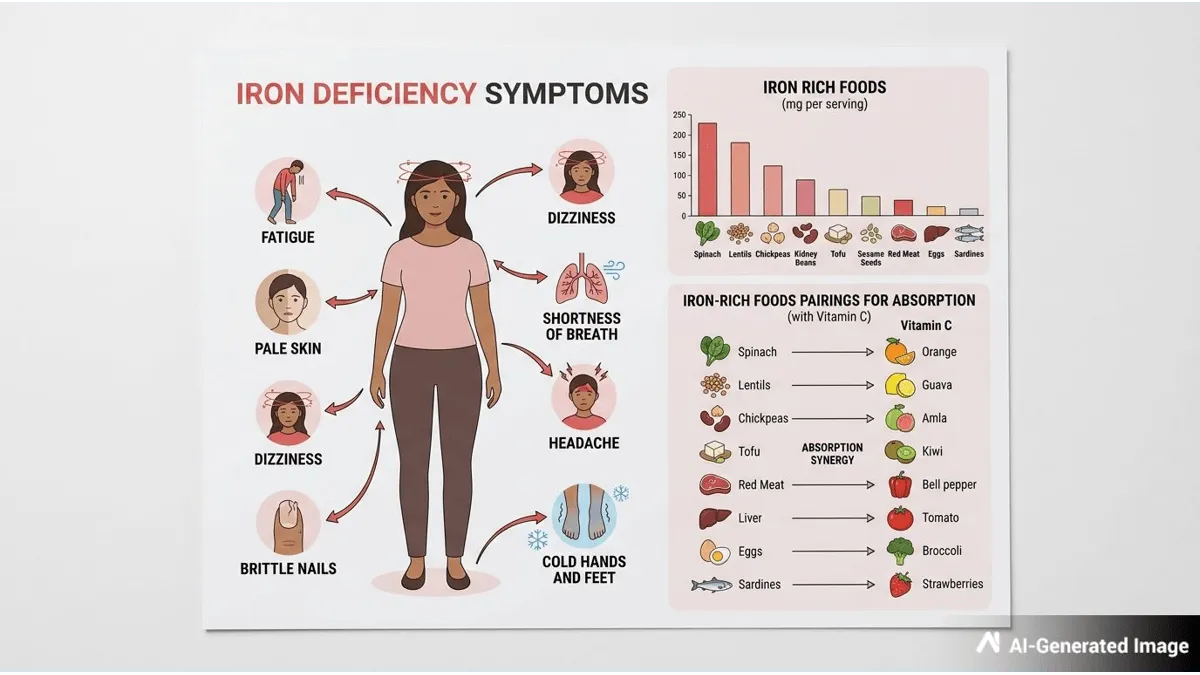
Women with iron deficiency may experience:
- Persistent fatigue and weakness
- Shortness of breath
- Dizziness or headaches
- Pale skin
- Cold hands and feet
- Hair fall or brittle nails
- Difficulty concentrating
- Rapid heartbeat
- Restless legs syndrome
In mild cases, symptoms may be subtle and easily overlooked.
Why Women Are More Vulnerable
Several factors increase the risk of iron deficiency in women:
Heavy Menstrual Bleeding
Women who experience prolonged or heavy periods lose more blood and therefore more iron.
Pregnancy
Iron requirements nearly double during pregnancy to support the growing baby and placenta.
Poor Dietary Intake
Many Indian diets are predominantly vegetarian, and plant-based iron is absorbed less efficiently than iron from animal sources.
Frequent Dieting
Restrictive diets can lead to inadequate iron intake.
Medical Conditions
Conditions such as uterine fibroids, gastrointestinal bleeding, celiac disease, or inflammatory bowel disease can contribute to iron deficiency.
Diagnosis
Doctors typically diagnose iron deficiency through blood tests:
Complete Blood Count (CBC)
Measures hemoglobin and red blood cell levels.
Serum Ferritin Test
The most useful test for assessing iron stores in the body.
Serum Iron and Transferrin Saturation
Help determine how much iron is circulating in the bloodstream.
Women experiencing persistent fatigue, heavy periods, or unexplained weakness should consult a healthcare professional for evaluation.
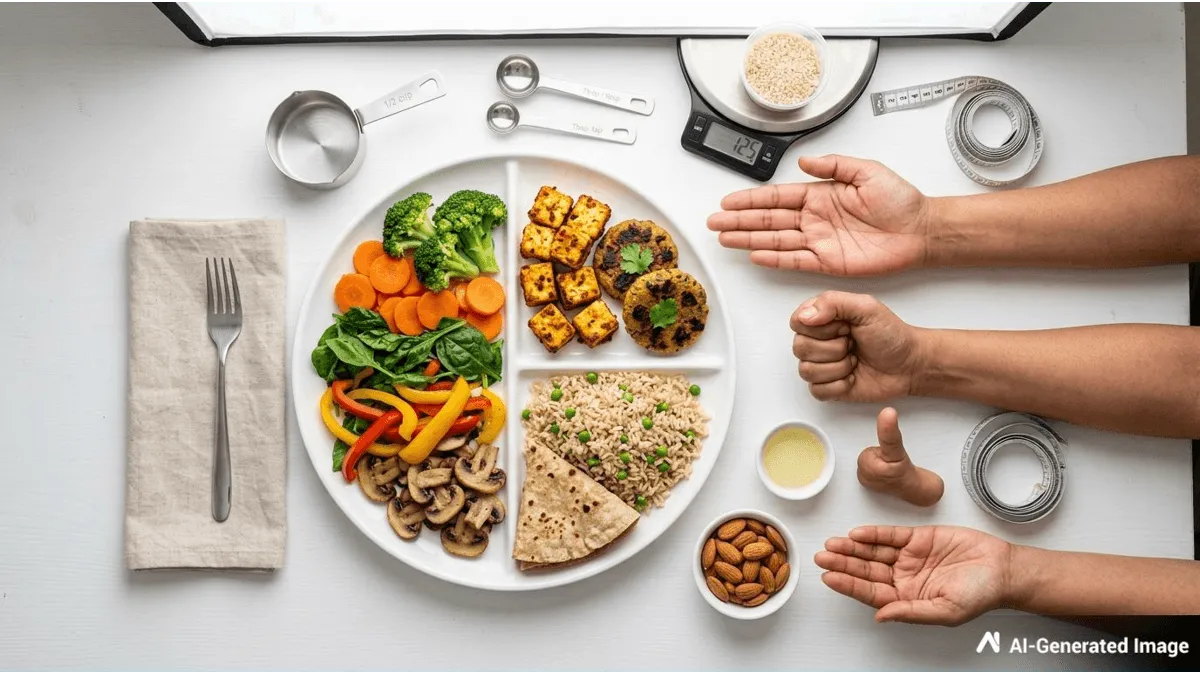
Iron-Rich Foods for Indian Women
Vegetarian Sources
- Spinach (Palak)
- Amaranth leaves (Chaulai)
- Lentils (Dal)
- Chickpeas (Chana)
- Rajma (Kidney beans)
- Soybeans
- Tofu
- Sesame seeds (Til)
- Pumpkin seeds
- Jaggery (Gur)
Non-Vegetarian Sources
- Eggs
- Chicken
- Fish
- Liver (one of the richest sources of iron)
- Lean red meat
Improve Iron Absorption
Simply eating iron-rich foods is not enough. Absorption matters.
Combine Iron with Vitamin C
Vitamin C significantly enhances iron absorption.
Good options include:
- Amla
- Oranges
- Lemons
- Guava
- Tomatoes
- Bell peppers
For example, squeeze lemon over dal or eat guava after meals.
Avoid These Around Iron-Rich Meals
- Tea
- Coffee
- Excess calcium supplements
These can reduce iron absorption when consumed with meals.
Treatment Options
Dietary Changes
For mild deficiency, increasing iron-rich foods may be sufficient.
Iron Supplements
Commonly prescribed iron supplements include:
- Ferrous sulfate
- Ferrous fumarate
- Ferrous ascorbate
Use supplements only under medical guidance, as excessive iron can cause side effects and health problems.
Intravenous (IV) Iron
In moderate to severe deficiency, especially during pregnancy or when oral iron is not tolerated, doctors may recommend IV iron therapy.
Treat the Underlying Cause
If heavy menstrual bleeding, fibroids, or digestive disorders are causing iron loss, these conditions must also be addressed.
Iron Needs by Age
| Group | Recommended Daily Iron |
|---|---|
| Women (19–50 years) | ~18 mg |
| Pregnant women | ~27 mg |
| Breastfeeding women | ~9–10 mg |
| Women over 50 years | ~8 mg |
Requirements may vary based on individual health conditions and medical advice.
When to See a Doctor
Consult a healthcare professional if you have:
- Persistent fatigue
- Heavy menstrual bleeding
- Recurrent anemia
- Shortness of breath
- Unexplained hair loss
- Symptoms during pregnancy
Early diagnosis and treatment can prevent complications and improve overall health.
Conclusion
Iron deficiency remains a major health concern for women in India, but it is highly treatable. A balanced diet rich in iron, improved absorption through vitamin C, regular health checkups, and timely medical treatment can help prevent anemia and maintain healthy energy levels. Women who suspect iron deficiency should seek medical advice rather than self-medicating, as proper diagnosis is essential for effective treatment.