

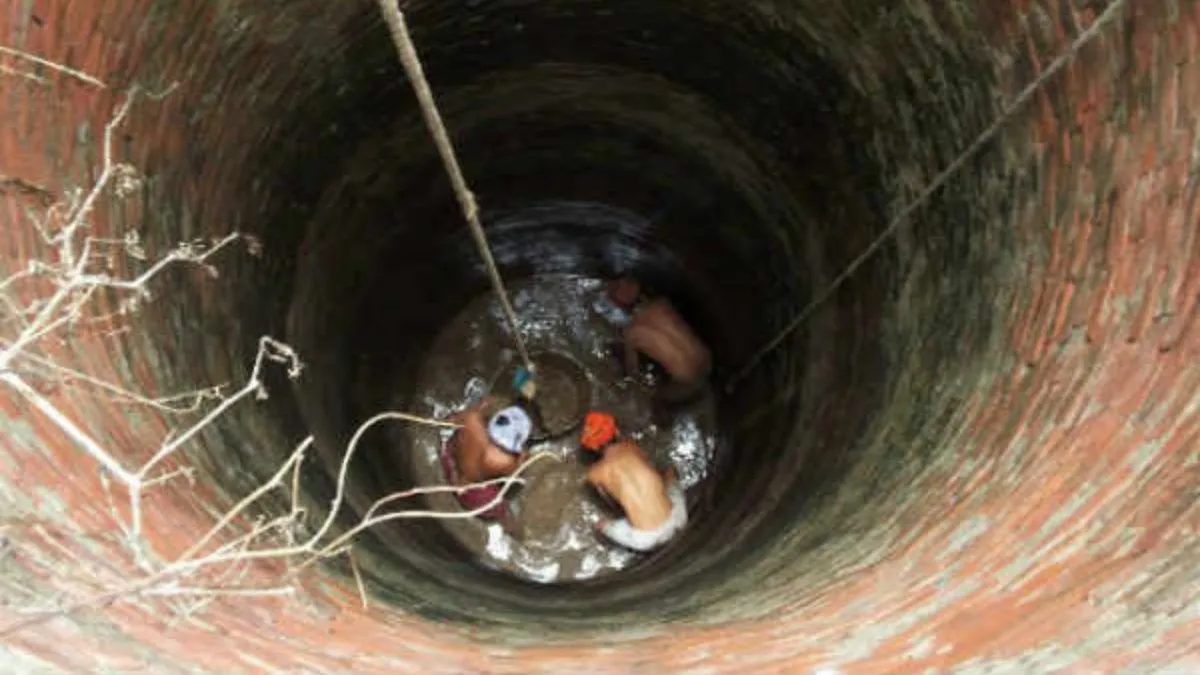
According to reports, residents in parts of Mangaluru complained about changes in the quality of well water, prompting inspections and laboratory testing. Officials suspect that leakage from sewage lines or infiltration of wastewater into groundwater sources may be responsible for the contamination. More than 30 wells were subsequently declared unsafe for drinking until further remedial measures are completed.
Why Authorities Suspect Sewage Contamination
The incident comes amid broader concerns about water pollution in the region. Recent environmental assessments in the Phalguni (Gurupura) river basin have highlighted:
- Untreated sewage entering water bodies.
- High levels of bacterial contamination, including faecal coliforms.
- Risks of polluted surface water infiltrating nearby groundwater and wells.
Environmental groups have also warned that groundwater in areas surrounding the Phalguni River is becoming increasingly vulnerable to contamination from sewage discharge and inadequate drainage infrastructure.
Health Risks
Contaminated drinking water can cause:
- Diarrhoea
- Vomiting
- Gastrointestinal infections
- Water-borne diseases caused by bacteria and viruses
Health officials generally advise residents in affected areas to avoid consuming water from contaminated wells unless it has been properly tested and treated.
What Happens Next?
Authorities are expected to:
- Identify the exact source of contamination.
- Inspect nearby sewage and drainage networks.
- Conduct additional water quality testing.
- Implement corrective measures before declaring the wells safe again.
The incident has renewed concerns about urban wastewater management and groundwater protection in Mangaluru, where environmental activists have repeatedly called for stronger action against untreated sewage entering local water systems.