

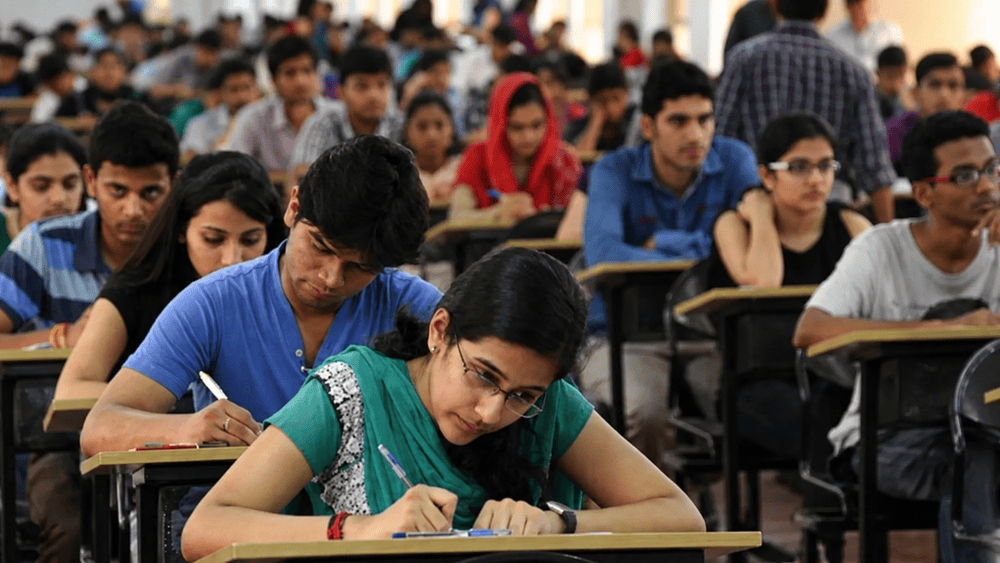
A parliamentary committee has flagged concerns over the Common University Entrance Test (CUET), saying its multiple-choice format may not suit humanities and social sciences, while calling for a review of its design and question quality in line with the National Education Policy (NEP), 2020.A parliamentary committee has flagged concerns over the Common University Entrance Test (CUET), saying its multiple-choice format may not suit humanities and social sciences, while calling for a review of its design and question quality in line with the National Education Policy (NEP), 2020.
A Parliamentary Standing Committee has raised concerns over the implementation and effectiveness of the Common University Entrance Test (CUET), recommending a comprehensive review of the examination’s design, administration, and impact on students seeking admission to higher education institutions across India.
The committee’s observations come amid growing feedback from students, parents, and educators regarding technical glitches, scheduling issues, varying difficulty levels, and the pressure associated with a single national entrance examination. The panel emphasized the need to ensure that the examination remains fair, transparent, and accessible to candidates from diverse educational and socio-economic backgrounds.
Concerns Over Examination Structure
According to the committee, the current design of CUET may require modifications to better assess students’ academic abilities while reducing unnecessary stress. Members highlighted concerns that students from rural areas and state board backgrounds could face disadvantages due to differences in curriculum and access to preparation resources.
The panel also noted that frequent changes in examination patterns and operational challenges have created uncertainty among candidates. It recommended that authorities conduct a detailed assessment of the exam structure and gather stakeholder feedback before implementing future revisions.
Technical and Logistical Challenges
The committee pointed to reports of technical disruptions at examination centers, last-minute scheduling changes, and issues related to the allocation of test venues. Such challenges, it said, can negatively affect students’ performance and confidence during a high-stakes examination.
To address these concerns, the panel urged authorities to strengthen technological infrastructure, improve coordination with testing centers, and establish effective grievance-redressal mechanisms for candidates.
Need for Inclusive Admissions
The report stressed that university admissions should remain inclusive and equitable. While CUET was introduced to create a standardized admission process across universities, the committee said policymakers must continuously evaluate whether the system is achieving its intended objectives without creating new barriers for students.
The panel recommended examining the balance between board examination scores and entrance test performance to ensure that students are evaluated fairly and comprehensively.
Recommendations for Reform
Among its key suggestions, the committee called for:
- A detailed review of CUET’s examination design and question patterns.
- Improved technical infrastructure and testing procedures.
- Greater consultation with students, educators, and universities.
- Measures to reduce stress and uncertainty for candidates.
- Regular audits of examination processes to ensure transparency and fairness.
Government and Education Sector Response
Education experts have welcomed the committee’s recommendations, arguing that periodic reviews are essential for any large-scale national examination. Several academics have suggested that feedback from stakeholders should play a central role in shaping future reforms.
The government and the National Testing Agency (NTA), which conducts CUET, are expected to examine the committee’s observations and consider appropriate measures to enhance the examination process.
Looking Ahead
As CUET continues to serve as a major gateway for undergraduate admissions in India’s central and participating universities, the committee’s recommendations are likely to influence future discussions on higher education admissions policy. Stakeholders will be watching closely to see whether the suggested reforms lead to a more efficient, student-friendly, and equitable examination system.