

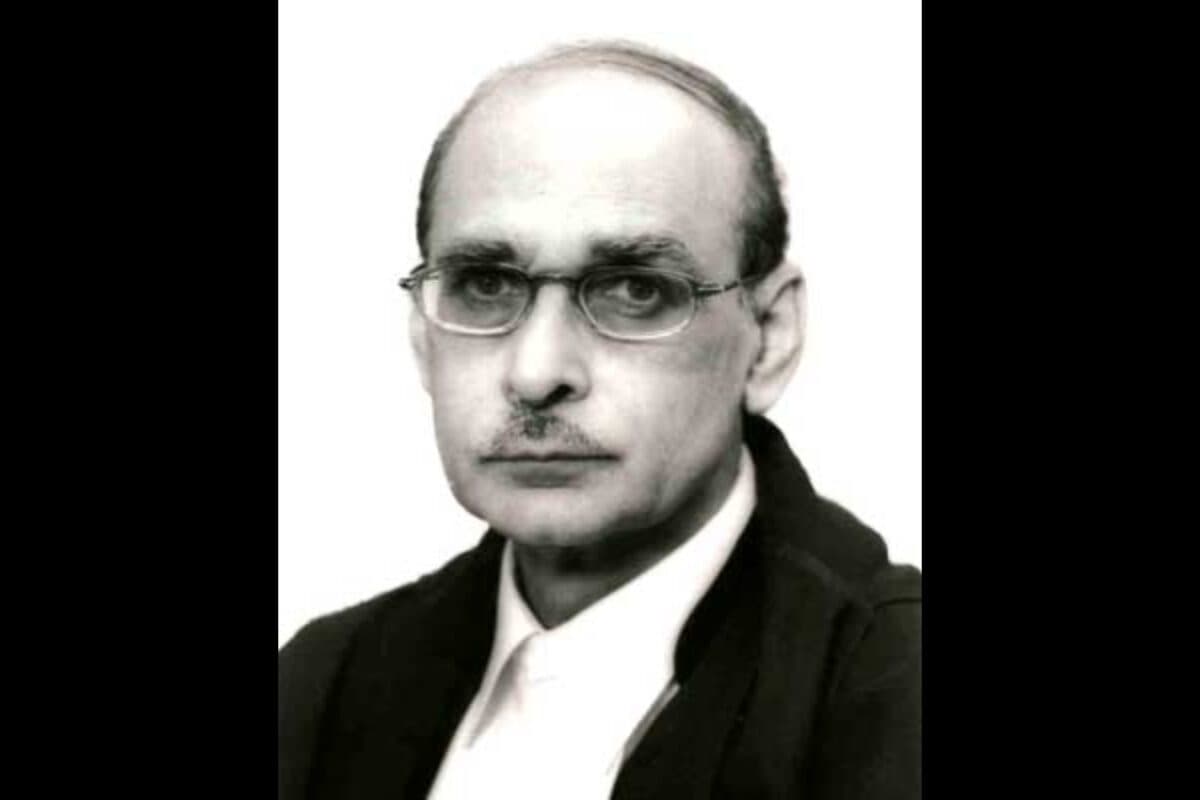
Who Is Justice Prakash Naolekar, Set To Chair Centre’s High-Level Committee On Demographic Change?
Retired Supreme Court judge Justice Prakash Prabhakar Naolekar has been appointed to head the Centre’s newly constituted High-Level Committee on Demographic Change, announced by Union Home Minister Amit Shah. The committee has been tasked with studying demographic changes in India linked to illegal immigration and what the government describes as “unnatural causes.”
A Veteran Of India’s Judiciary
Justice Naolekar is a former judge of the Supreme Court of India and has had a long career in the Indian judicial system. Born on June 29, 1943, he served in several important judicial positions before retiring from the apex court in 2008.
Before his elevation to the Supreme Court, he served as the Chief Justice of the Gauhati High Court from 2002 to 2004. He was later appointed as a judge of the Supreme Court, where he handled a range of constitutional, administrative, and public interest matters during his tenure.
Role As Madhya Pradesh Lokayukta
After retiring from the Supreme Court, Justice Naolekar went on to serve as the Lokayukta of Madhya Pradesh, where he became known for overseeing anti-corruption investigations and public accountability cases. His tenure as Lokayukta brought him into public attention for examining complaints involving bureaucratic and political corruption.
Committee On Demographic Change
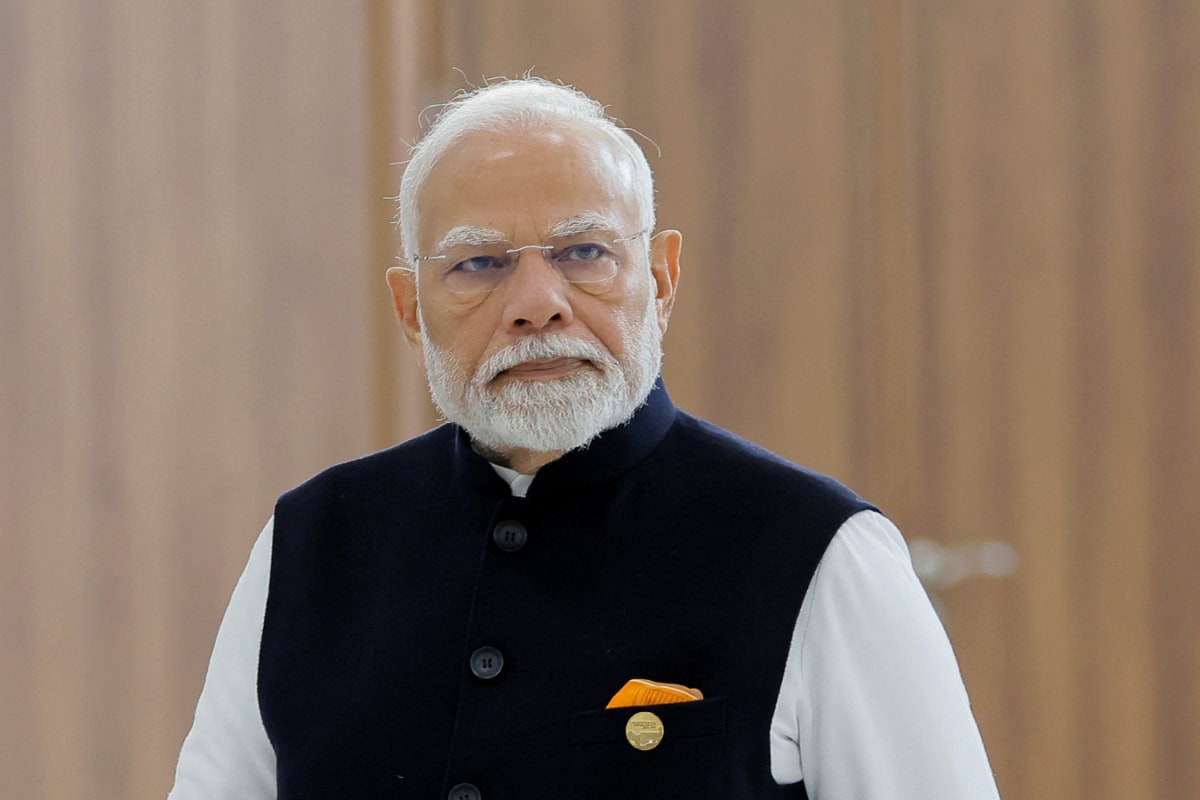
The newly formed committee was originally announced by Prime Minister Narendra Modi during his Independence Day speech in 2025. According to the government, the panel will conduct a “comprehensive assessment” of demographic changes occurring across India due to illegal immigration and other factors.
The committee chaired by Justice Naolekar will also include:
- The Census Commissioner
- Former IAS officer Durga Shankar Mishra
- Former IPS officer Balaji Srivastava
- Economist Shamika Ravi
The Joint Secretary (Foreigners-I) in the Ministry of Home Affairs will serve as the Member Secretary of the panel.
Focus Of The Panel
According to the Home Ministry, the committee will study abnormal population shifts across religious and social communities and recommend “planned and time-bound solutions.” The government has linked the issue to concerns involving national security, sovereignty, law and order, and the preservation of tribal societies.
Justice Naolekar’s appointment is being viewed as an effort to place an experienced judicial figure at the head of a politically and socially sensitive national exercise.