

Why Did Cops Knock on TMC MP Abhishek Banerjee’s Door?
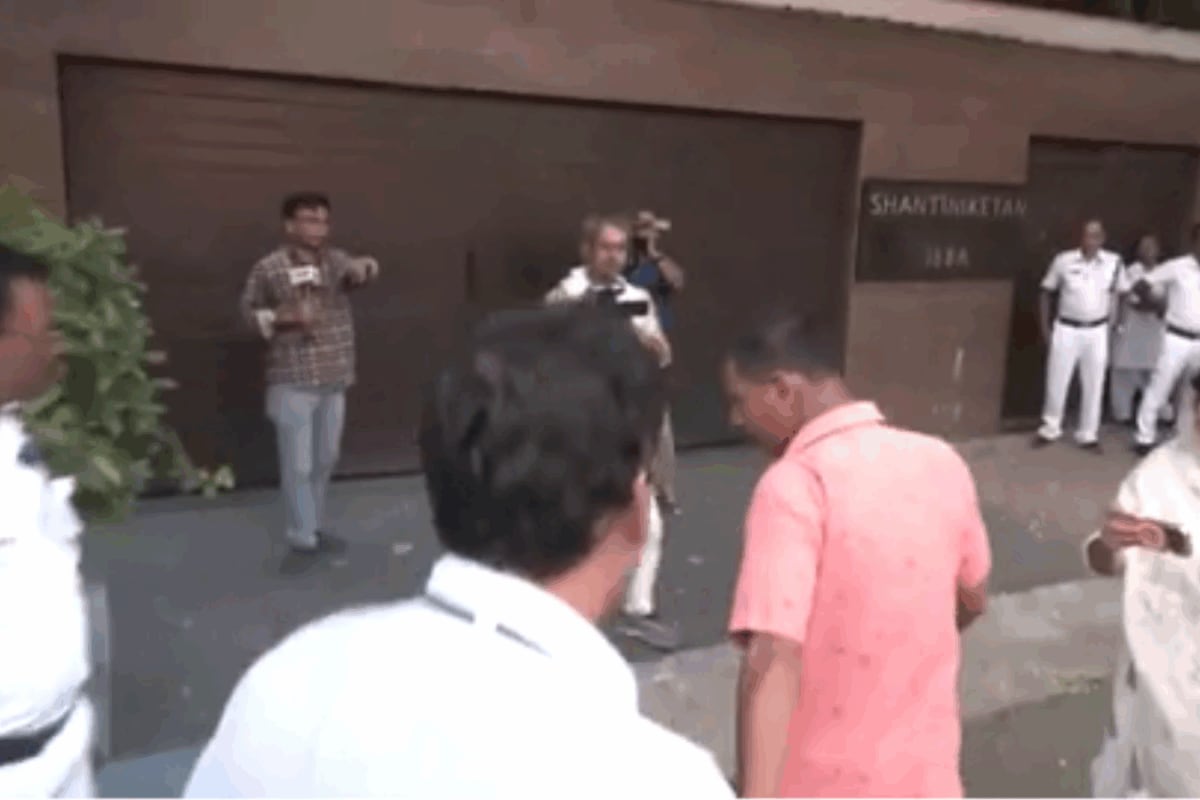
In recent political developments, reports of police or investigative agency visits to the residence of Abhishek Banerjee have drawn public attention and sparked political debate. While such visits often trigger speculation, the reasons behind them are typically procedural and linked to ongoing inquiries or legal formalities.
What usually leads to police visits?
When law enforcement officials or central investigative agencies visit the home of a Member of Parliament, it is generally not a random action. Such visits are usually connected to one of the following:
- Summons or questioning in an ongoing investigation
- Delivery of legal notices or court-related documents
- Requests for cooperation in a case being probed
- Verification of statements or evidence
- Enforcement actions related to financial or administrative inquiries
In high-profile political cases, agencies sometimes choose to visit residences directly when individuals are not responding to notices or when formal questioning is required.
Why this case drew attention
Visits involving senior political leaders tend to attract significant media coverage, especially when they involve opposition figures. In such situations, political parties often interpret the action through a political lens, alleging bias or targeting, while investigative agencies maintain that their actions are part of standard legal procedure.
This dynamic often leads to competing narratives:
- The ruling side may describe it as lawful investigation
- Opposition parties may call it political pressure or intimidation
- Agencies typically avoid public commentary during ongoing inquiries
The broader context
India has seen several instances where enforcement agencies such as the police, CBI, or ED have conducted visits to politicians’ homes as part of corruption, financial irregularity, or administrative investigations. These actions are legally permitted when there is a valid investigative basis.
However, because such figures hold public office and political influence, even routine procedural steps can become politically significant events.
What happens next?
If the visit was part of an ongoing investigation, the next steps usually involve:
- Formal questioning at an agency office or designated location
- Submission of documents or records
- Possible issuance of further summons
- Continued legal proceedings depending on case progress
Until official statements are made by the concerned agency or court, details often remain limited, leading to speculation in media and political circles.
Conclusion
While reports of police visiting a senior MP’s residence naturally attract attention, such actions are typically part of standard investigative or legal processes. In the absence of verified official details, it is important to distinguish between confirmed facts and political interpretation.
In politically sensitive cases, clarity usually emerges only after agencies or courts release formal information.