

Glamourising The Gangster? Why ‘Lawrence of Punjab’ Sparked A Row And Has Now Been Banned
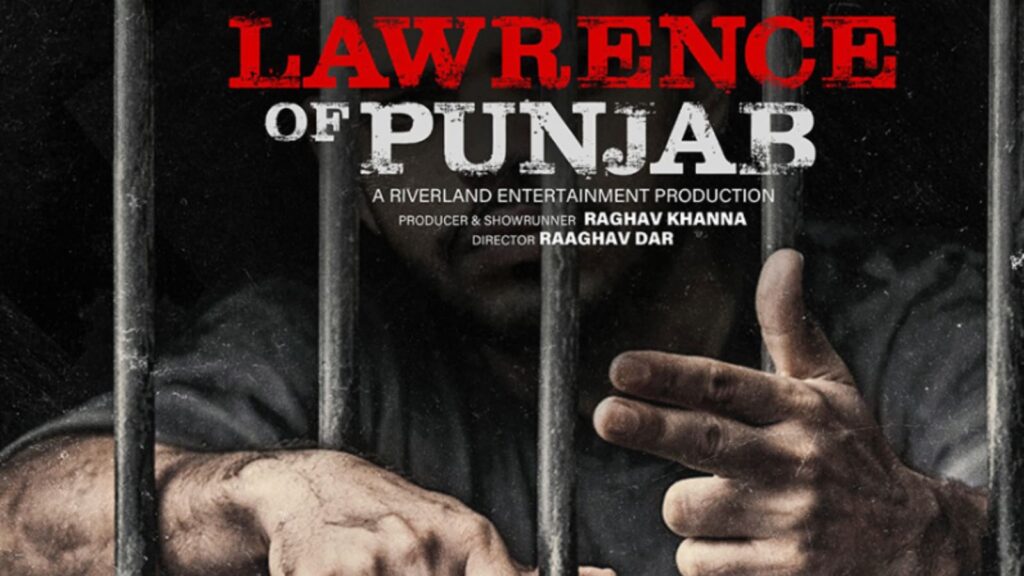
‘Lawrence of Punjab’ Controversy: Why The Film Sparked Debate And Was Eventually Banned
The upcoming film “Lawrence of Punjab” has triggered widespread controversy across Punjab and several parts of India, with critics accusing the movie of glorifying gangster culture and romanticising criminal activities linked to jailed gangster Lawrence Bishnoi.
The controversy intensified after promotional material and online discussions surrounding the film drew sharp reactions from political leaders, social activists and law enforcement officials. Many argued that the movie could negatively influence young audiences by presenting gangsters as heroic or rebellious figures rather than highlighting the consequences of organised crime and violence.
Authorities and critics expressed concerns that such portrayals risk normalising criminal behaviour at a time when Punjab has been battling issues related to gang violence, extortion networks and youth crime. Several organisations also demanded strict action against the filmmakers, claiming the project could disturb public order and promote a dangerous social narrative.
Following mounting pressure and objections, the film reportedly faced restrictions and was eventually banned from release in certain regions. Officials cited concerns over public sentiment, law and order issues and the potential impact on society as major reasons behind the decision.
The debate has once again reignited discussions around creative freedom versus social responsibility in cinema. While supporters of the film argue that movies should be allowed to portray real-life stories without censorship, opponents believe filmmakers must avoid content that appears to glorify violence and criminal figures.
The row surrounding “Lawrence of Punjab” highlights the growing sensitivity around gangster-themed entertainment and its influence on society, particularly among younger audiences.