


Maintaining a healthy diet does not always require strict dieting or giving up favorite foods. Portion control and mindful eating are simple yet effective habits that can help people enjoy balanced meals, manage weight, and improve overall well-being.
Portion control focuses on eating the right amount of food, while mindful eating encourages awareness of hunger, fullness, and eating habits. Together, these practices can support healthier lifestyles without unnecessary restrictions.
Why Portion Control Matters
Large portion sizes often lead to overeating, even when people are no longer hungry. Restaurants, packaged foods, and fast-food meals frequently contain servings much larger than recommended daily needs.
Controlling portions helps regulate calorie intake, improves digestion, and supports steady energy levels throughout the day. It also allows individuals to enjoy a variety of foods while maintaining balance.
Simple Portion Control Tips
Use Smaller Plates and Bowls
Eating from smaller dishes can naturally reduce portion sizes and help prevent overeating. A full small plate often feels more satisfying than a partially filled large plate.
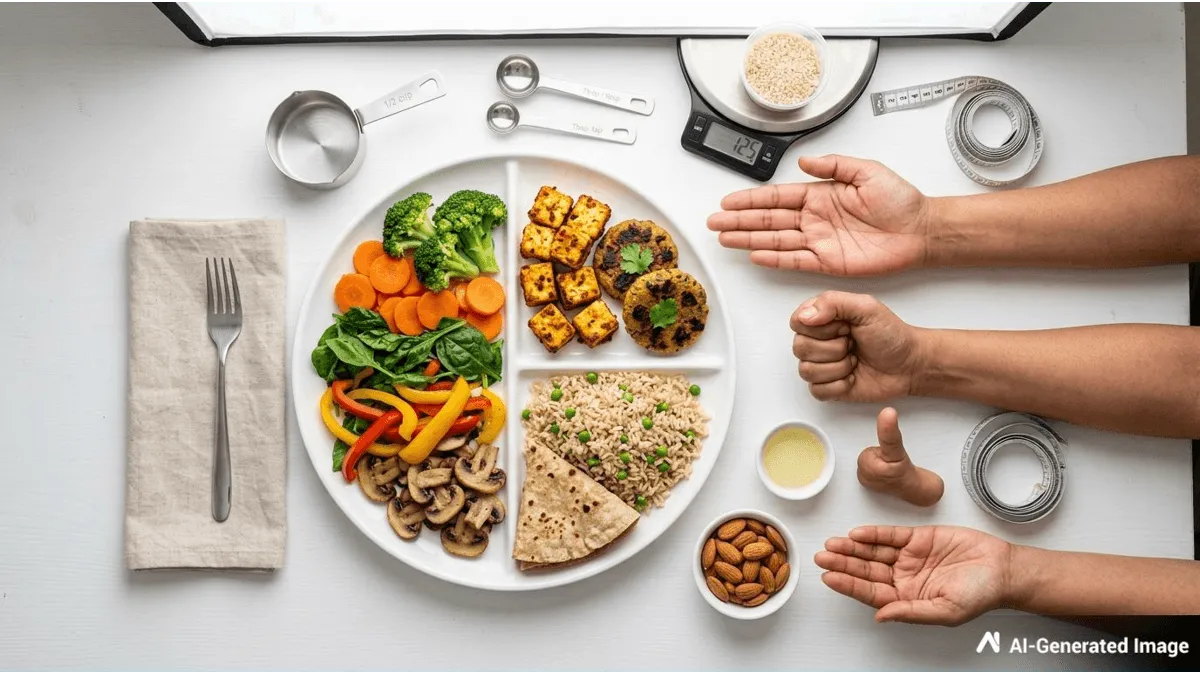
Follow the Balanced Plate Method
A simple way to build balanced meals is:
- Half the plate with vegetables or salad
- One-quarter with lean protein
- One-quarter with whole grains or healthy carbohydrates
This approach helps maintain nutritional balance while controlling portions.
Measure Portions Occasionally
Using measuring cups or checking serving sizes can improve awareness of how much food is being consumed. Over time, people become better at estimating appropriate portions without measuring tools.
Avoid Eating Directly From Packages
Eating snacks directly from large packets can make it difficult to track intake. Instead, place a reasonable portion into a bowl or plate before eating.
Eat Slowly
The brain needs time to recognize fullness signals. Eating slowly and chewing properly can reduce the chances of overeating and improve digestion.
The Importance of Mindful Eating
Mindful eating involves paying attention to food, hunger levels, and eating experiences without distractions. It encourages people to focus on taste, texture, and satisfaction rather than rushing through meals.
Common mindful eating habits include:
- Turning off screens during meals
- Eating without multitasking
- Listening to hunger and fullness cues
- Appreciating flavors and textures
- Stopping when comfortably full
Mindful eating can also help reduce emotional or stress-related eating habits.
Healthy Snacking Strategies
Snacks can be part of a balanced diet when consumed in moderation. Good portion-controlled snack options include:
- Fresh fruits
- Nuts and seeds
- Yogurt
- Roasted chickpeas
- Vegetable sticks
- Whole-grain crackers
Preparing snacks in advance can help avoid impulsive overeating.
Stay Hydrated
Sometimes thirst is mistaken for hunger. Drinking enough water throughout the day may help reduce unnecessary snacking and support overall health.
Avoid Extreme Restrictions
Completely eliminating favorite foods can lead to cravings and overeating later. Balanced eating is more sustainable when people allow occasional treats in reasonable portions.
Conclusion
Portion control and mindful eating are practical habits that promote healthier relationships with food. By paying attention to serving sizes, eating slowly, and building balanced meals, individuals can improve nutrition, manage weight, and enjoy food more consciously.
Small, consistent changes often lead to long-term health benefits, making mindful eating an effective approach for sustainable wellness.