

Karnataka Hijab Ban Reversed: What the 2022 Order Said and Why It Sparked Controversy
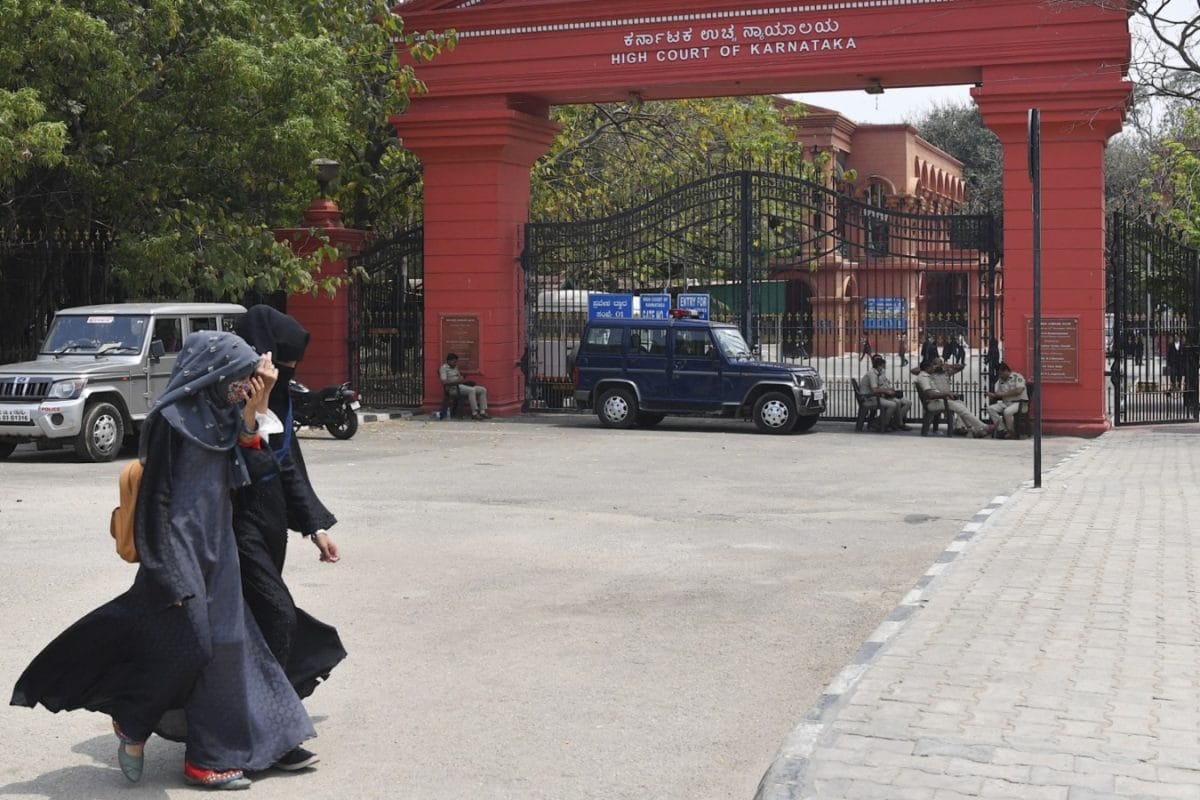
The Karnataka government has recently withdrawn its 2022 order that had effectively restricted the wearing of hijab in educational institutions, marking a major reversal in one of India’s most debated education and religious freedom controversies.
The original decision, issued in February 2022, triggered statewide protests, legal battles, and nationwide political debate over the role of religion in school uniforms.
What the 2022 Government Order Said
The controversial Government Order (GO), issued on February 5, 2022, directed educational institutions in Karnataka to strictly enforce uniform rules wherever prescribed.
Its key points included:
- Students must follow the prescribed school or college uniform
- No exception would be allowed for religious attire such as the hijab
- Colleges could enforce uniform rules through their development committees
- Uniformity was linked to “equality, unity, and discipline” in classrooms
While the order did not explicitly ban hijab in isolation, it was used by institutions to deny entry to students wearing hijab in classrooms and campuses, effectively functioning as a restriction.
How the Controversy Began
The issue began in early 2022 in Udupi, where a group of Muslim students were allegedly stopped from attending classes wearing hijab, citing uniform policies.
What started as a local dispute quickly escalated when:
- Students protested in multiple colleges
- Counter-protests emerged with saffron shawls
- The issue spread across Karnataka campuses
- Political parties took opposing positions
The matter soon reached the Karnataka High Court and later the Supreme Court.
What the Courts Decided
In March 2022, the Karnataka High Court upheld the government’s position, ruling that:
- Wearing hijab is not an “essential religious practice”
- Uniform rules in schools are constitutionally valid
- Educational institutions can enforce dress codes for discipline
A subsequent split verdict in the Supreme Court left the issue unresolved at the national level for some time.
Why It Sparked Nationwide Debate
The hijab ban controversy became far bigger than a dress code issue. It raised questions about:
1. Religious freedom vs. uniformity
Supporters of the GO argued it promoted equality and discipline, while critics said it restricted constitutional religious rights.
2. Identity in classrooms
The debate expanded into whether religious identity can coexist with institutional uniform rules.
3. Political polarisation
The issue quickly became politically charged, with national parties taking sharply opposing positions.
4. Impact on students
Reports from the period indicated some students withdrew from institutions or changed colleges due to restrictions.
Why the Order Was Reversed Now
In 2026, the Karnataka government formally withdrew the 2022 notification, allowing limited religious symbols alongside uniforms in schools and colleges.
The revised approach signals a shift toward:
- Greater accommodation of religious expression
- Reduced legal and political friction
- A more flexible interpretation of uniform policies
However, the rollback has also revived political debate over whether classrooms should remain strictly “religion-neutral.”
Conclusion
The 2022 Karnataka hijab order began as a uniform enforcement rule but quickly evolved into a national controversy over identity, rights, and education policy. Its recent reversal closes a major legal and political chapter—but the debate it sparked over balancing uniformity and personal freedom in schools is likely to continue in different forms.